

Common Symptoms of Acute Pancreatitis
The symptoms of acute pancreatitis often include severe abdominal pain, typically in the upper abdomen, which may radiate to the back. Nausea and vomiting are also common, and individuals may experience a rapid heart rate and fever. In some cases, jaundice, or yellowing of the skin and eyes, may occur. If you experience these symptoms, it’s important to seek medical attention immediately for proper diagnosis and treatment from our board-certified gastroenterologists at Digestive Disease Care. For more information, contact us today or schedule an appointment online. We are conveniently located at 1061 N Broadway, Massapequa, NY 11758.
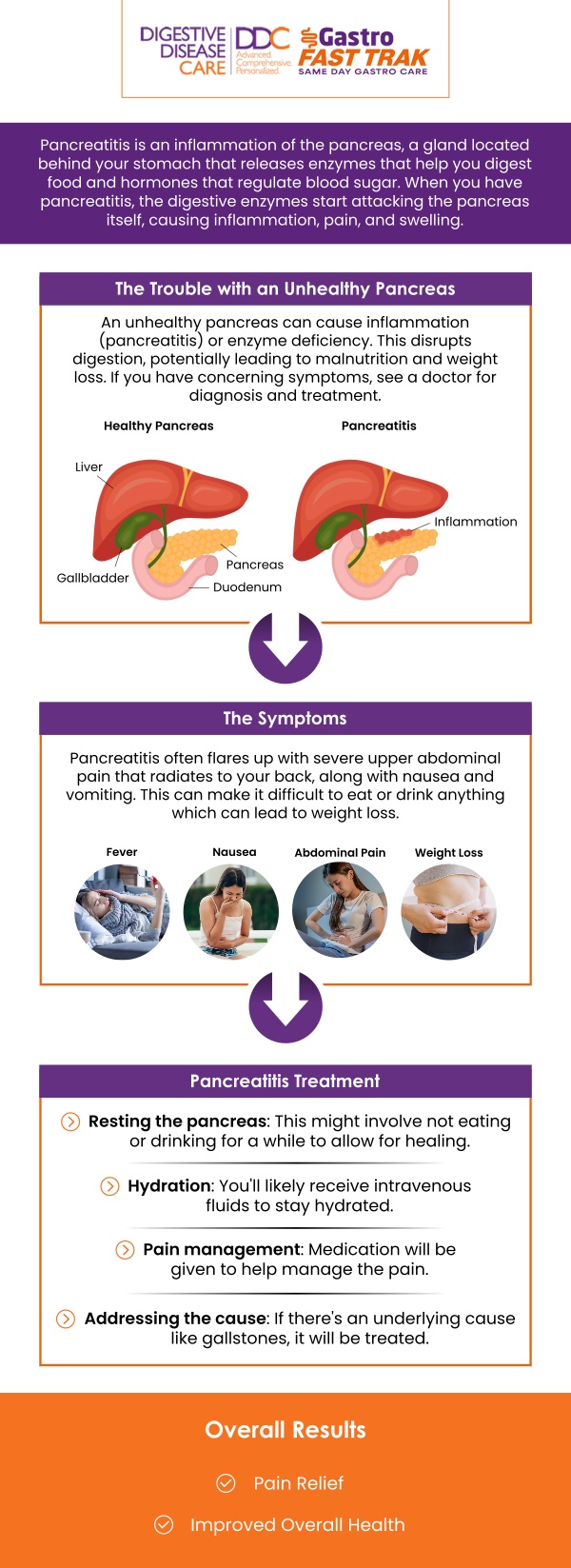
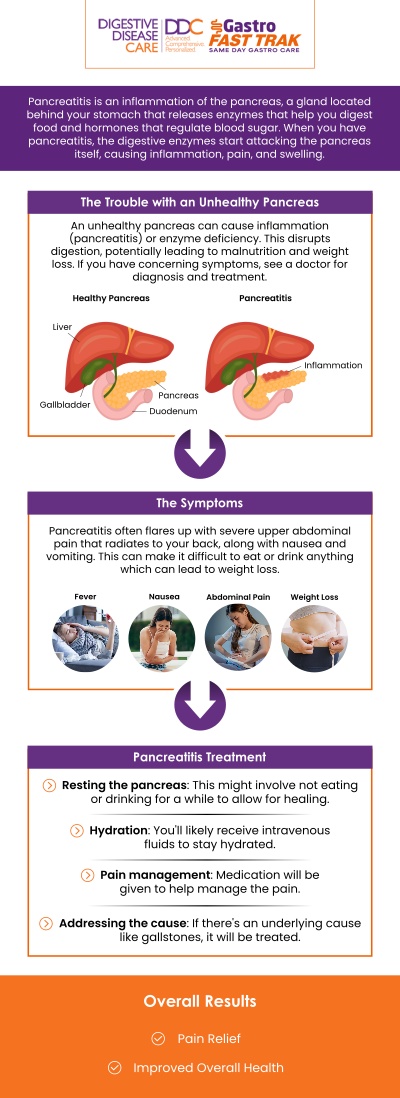
Table of Contents:
What are the common symptoms of acute pancreatitis?
How does acute pancreatitis cause abdominal pain?
What is acute pancreatitis and what causes it?
When should you seek medical help for symptoms of acute pancreatitis?
Suffering from Acute Pancreatitis Symptoms? Trust Our Gastroenterologists at Digestive Disease Care (DDC) in Massapequa, NY
Acute pancreatitis is a sudden inflammation of the pancreas that can cause severe discomfort and potentially life-threatening complications. The symptoms of acute pancreatitis often develop quickly, and identifying them early is essential for receiving prompt treatment.
Common Symptoms of Acute Pancreatitis:
• Severe Abdominal Pain: The most characteristic symptom is sharp, sudden pain in the upper abdomen, which may radiate to the back. The pain often worsens after eating and can last for hours or days.
• Nausea and Vomiting: Many individuals with acute pancreatitis experience nausea and vomiting, which may make it difficult to keep food or fluids down.
• Fever: A mild fever often accompanies acute pancreatitis, signaling the body’s response to inflammation.
• Rapid Heart Rate: The inflammation of the pancreas can cause an elevated heart rate as the body reacts to the condition.
• Tender Abdomen: The abdomen may be tender to the touch, and there may be bloating or distension.
• Jaundice: In some cases, the skin and eyes may turn yellow due to bile flow obstruction.
• Changes in Stool: Some individuals with acute pancreatitis experience changes in stool color, such as pale or oily stools, which can be a sign of malabsorption.
Complications to Watch For:
• Shock: In severe cases, acute pancreatitis can lead to shock, causing low blood pressure and organ failure.
• Pancreatic Abscess or Pseudocyst: Fluid-filled sacs may form in the pancreas, leading to further complications if untreated.
• Respiratory Issues: In rare cases, acute pancreatitis can lead to difficulty breathing due to fluid buildup in the lungs.
If you experience any combination of these symptoms, it’s crucial to seek medical attention immediately. Early diagnosis and treatment can prevent complications and help manage the condition effectively.
Abdominal pain is the hallmark symptom of acute pancreatitis, and it can range from mild to excruciating. The pain typically begins suddenly and is often severe, making it one of the primary reasons people seek medical attention.
Mechanism Behind the Pain:
• Pancreatic Inflammation: Acute pancreatitis occurs when the pancreas becomes inflamed due to digestive enzymes being prematurely activated. These enzymes begin to digest the pancreas itself, causing inflammation, swelling, and irritation of the abdominal tissues.
• Increased Pressure in the Pancreas: The inflammation causes the pancreas to become enlarged, putting pressure on surrounding organs and tissues, which triggers pain receptors in the abdominal area.
• Tissue Damage: The digestive enzymes that are released into the pancreas can also damage blood vessels, causing bleeding and further aggravating the pain.
• Bile Duct Obstruction: If the inflammation of the pancreas affects the bile ducts, it can lead to a backup of bile, causing a feeling of fullness and adding to the abdominal pain.
The pain often begins in the upper abdomen and can radiate to the back. It is typically described as a sharp, stabbing sensation that is persistent and can worsen after eating. Individuals with acute pancreatitis may also feel relief when leaning forward, as this position reduces the pressure on the abdomen.
Acute pancreatitis is a sudden inflammation of the pancreas, an organ located behind the stomach that helps with digestion and insulin production. When the pancreas becomes inflamed, it can cause severe abdominal pain and other symptoms, potentially leading to complications if not treated promptly.
Causes of Acute Pancreatitis:
• Gallstones: One of the most common causes, gallstones can block the bile duct, causing pancreatic enzymes to back up into the pancreas, leading to inflammation.
• Alcohol Consumption: Excessive alcohol use is a leading cause of acute pancreatitis. Alcohol can irritate the pancreas, making it more likely to become inflamed.
• Medications: Certain medications, including steroids, diuretics, and antibiotics, can cause acute pancreatitis as a side effect.
• High Triglyceride Levels: Elevated levels of triglycerides in the blood can lead to pancreatitis, as the excess fat may trigger inflammation.
• Infections: Some viral infections, such as mumps or hepatitis, can cause pancreatitis.
• Trauma or Surgery: Injury to the pancreas or abdominal surgery can trigger acute pancreatitis.
• Genetic Factors: In some cases, a family history of pancreatitis or genetic mutations can increase the risk of developing the condition.
• Obesity: Being overweight can increase the risk of developing acute pancreatitis, especially in combination with other risk factors like high triglycerides or alcohol consumption.
Understanding the cause of acute pancreatitis is critical for treating the condition. If the cause is gallstones, for example, removing the gallstones may be necessary, while lifestyle changes may be recommended for alcohol-related pancreatitis.
If you experience symptoms of acute pancreatitis, it is essential to seek immediate medical help. Acute pancreatitis can be life-threatening and requires prompt treatment to prevent complications.
When to Seek Medical Attention:
• Severe Abdominal Pain: If you experience sudden, severe abdominal pain that doesn’t improve or worsens, it’s important to seek help right away. The pain associated with acute pancreatitis can be excruciating and requires medical intervention.
• Nausea and Vomiting: Persistent vomiting, especially when accompanied by abdominal pain, can be a sign of acute pancreatitis. Dehydration due to vomiting can worsen the condition.
• Fever or Rapid Heart Rate: A fever combined with a rapid heart rate can indicate that the inflammation is severe and may require immediate medical attention.
• Jaundice: Yellowing of the skin or eyes indicates a potential blockage of the bile duct, which can occur with pancreatitis. This symptom requires prompt evaluation.
• Shortness of Breath or Difficulty Breathing: If you experience difficulty breathing along with abdominal pain, seek emergency medical care, as it can indicate complications such as fluid buildup in the lungs.
If any of these symptoms occur, don’t wait to see if they improve on their own—seek medical help immediately. Early treatment can reduce the risk of severe complications and improve recovery outcomes.
If you’re suffering from acute pancreatitis symptoms such as severe abdominal pain, nausea, and vomiting, it’s crucial to seek immediate medical attention. At Digestive Disease Care (DDC) in Massapequa, NY, our board-certified gastroenterologists specialize in diagnosing and treating pancreatitis. With advanced diagnostic tools and personalized treatment plans, we provide comprehensive care to help manage your symptoms and prevent complications. Early intervention is key to improving outcomes and relieving pain associated with acute pancreatitis.
Our team at DDC is dedicated to offering the highest level of care for those suffering from pancreatitis. We focus on identifying the underlying causes, such as gallstones, alcohol consumption, or high triglyceride levels, and developing a tailored treatment plan to address these factors. Trust our experienced gastroenterologists to guide you through the recovery process and help restore your digestive health. For more information, contact us today or schedule an appointment online. We are conveniently located at 1061 N Broadway, Massapequa, NY 11758. We serve patients from Lindenhurst NY, Bethpage NY, Hempstead NY, Freeport NY, Farmingdale NY, and Babylon NY.

Check Out Our 5 Star Reviews


Additional Services You May Like

Additional Services You May Like
- Abdominal Pain
- Acid Reflux
- Barretts Esophagus
- Bloating
- Capsule Endoscopy
- Celiac Disease
- Colon Cancer Screening
- Colonoscopy
- Constipation
- Crohns Disease
- Diarrhea
- Diverticulitis
- Esophageal PH Monitoring
- Fatty Liver
- Fibroscan
- Gallstones
- Gastroenterologist
- Gastric Chest Pain
- Gluten Intolerance
- Hemorrhoid
- Hemorrhoid Banding
- Hepatitis
- Irritable Bowel Syndrome
- Lactose Intolerance
- Pancreatitis
- Polyps
- Rectal Bleeding
- Stomach
- Ulcerative Colitis
- GI Urgent Care


 Send Text
 How May I Help You?