

What Causes Pancreatitis? Common Causes and Risk Factors
Pancreatitis can develop when the pancreas becomes inflamed due to gallstones, excessive alcohol use, very high triglycerides, certain medications, or other medical conditions. In some cases, genetic factors, autoimmune disorders, or structural problems involving the pancreatic ducts may also contribute. Identifying the underlying cause is important because treatment and prevention strategies can vary based on the trigger. At Digestive Disease Care, our board-certified gastroenterologists evaluate pancreatitis causes and risk factors to help patients receive personalized digestive care. For more information, contact us today or schedule an appointment online. We are conveniently located at 235 N Belle Mead Rd, East Setauket, NY 11733.
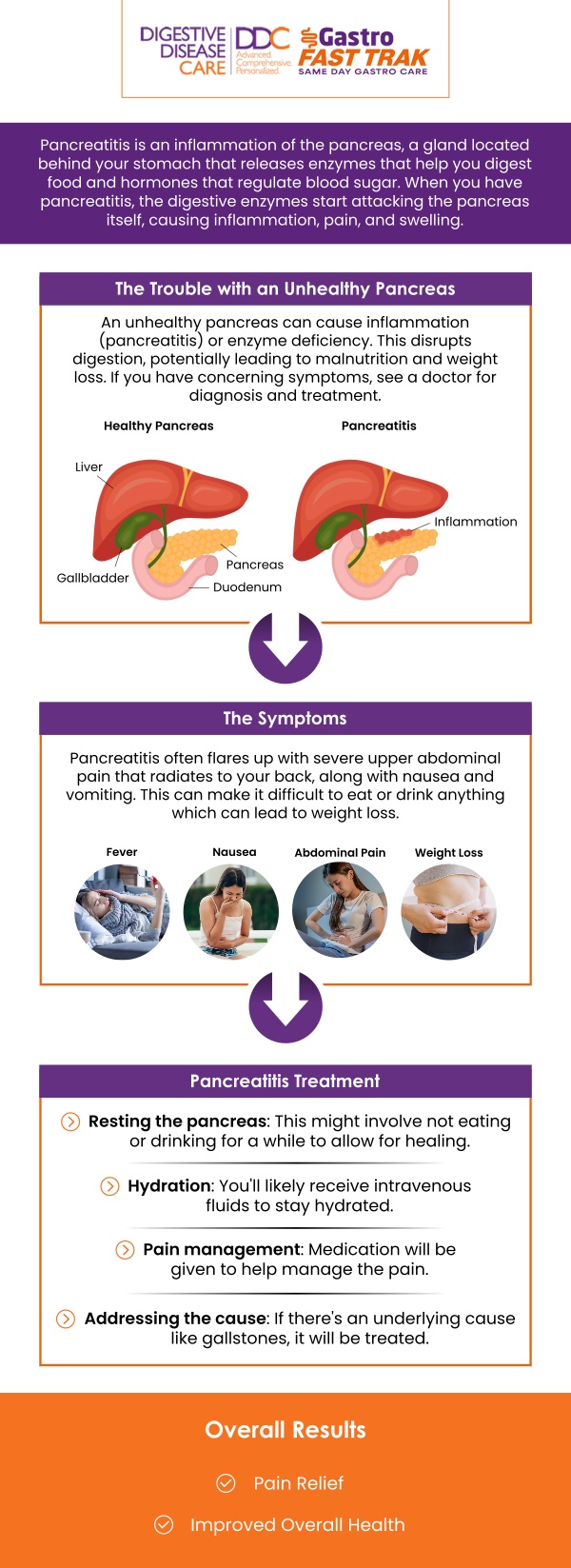
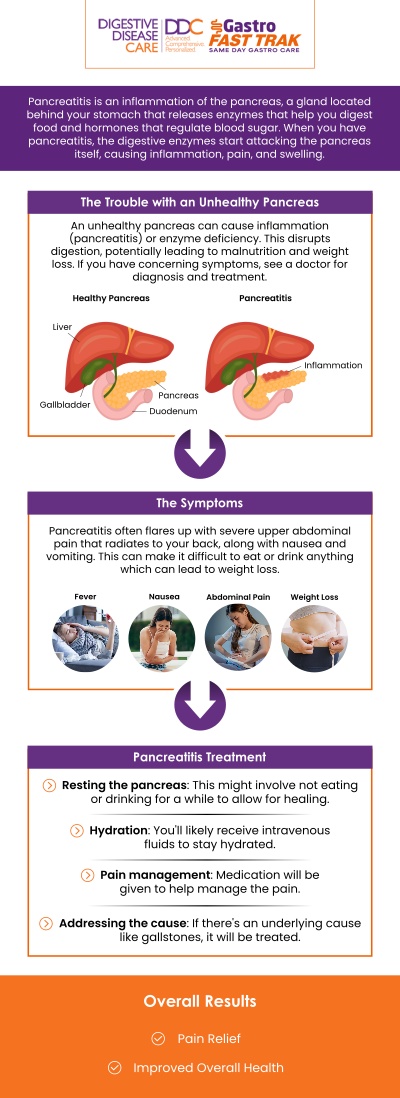
Table of Contents:
What are the most common causes of pancreatitis?
What factors can increase the risk of developing pancreatitis?
Can gallstones or alcohol use contribute to pancreatitis?
Can pancreatitis occur without an obvious cause?
At Digestive Disease Care, Our Board-Certified Gastroenterologists Evaluate Pancreatitis Causes, Symptoms, and Risk Factors in East Setauket, NY
Pancreatitis occurs when the pancreas becomes inflamed. It may develop suddenly as acute pancreatitis or persist over time as chronic pancreatitis. Gallstones and excessive alcohol use are among the most common causes, although several other medical conditions and risk factors may also contribute.
Possible causes of pancreatitis include:
• Gallstones: Stones can move from the gallbladder and block the area where the bile and pancreatic ducts drain, triggering pancreatic inflammation.
• Heavy alcohol use: Excessive or prolonged alcohol consumption can damage pancreatic tissue and contribute to acute or chronic pancreatitis.
• High triglycerides: Very high triglyceride levels in the blood can increase the risk of pancreatic inflammation.
• High calcium levels: Certain medical conditions that raise blood calcium may contribute to pancreatitis.
• Certain medications: Some medications may be associated with pancreatic inflammation in susceptible individuals.
• Genetic conditions: Inherited changes affecting pancreatic function may increase the risk of recurrent or chronic pancreatitis.
• Autoimmune conditions: In some cases, the immune system may contribute to inflammation of pancreatic tissue.
• Structural abnormalities: Problems involving the pancreatic ducts or surrounding digestive structures may interfere with normal drainage.
• Abdominal trauma or procedures: Injury to the pancreas or certain procedures involving the bile or pancreatic ducts may occasionally trigger inflammation.
Identifying the underlying cause is important because management may differ depending on what triggered the inflammation. Some patients have one clear cause, while others may have several contributing factors.
Certain health conditions, lifestyle factors, and medical histories may increase the likelihood of developing pancreatitis. Having one or more risk factors does not mean a person will definitely develop the condition, but recognizing these factors can support earlier evaluation and appropriate care.
Factors that may increase the risk include:
• A history of gallstones or gallbladder disease
• Heavy or prolonged alcohol consumption
• Smoking
• Very high triglyceride levels
• Certain genetic disorders
• Autoimmune conditions
• Cystic fibrosis
• Recurrent episodes of acute pancreatitis
• Structural abnormalities involving the pancreas or pancreatic ducts
• Obesity and related metabolic concerns
• A family history of pancreatic disease
Repeated episodes of acute pancreatitis may eventually contribute to lasting structural changes within the pancreas and increase the risk of chronic pancreatitis. Smoking may also contribute to pancreatic inflammation and long-term pancreatic damage, particularly when combined with other risk factors.
A gastroenterology evaluation may include reviewing medical history, gallbladder problems, alcohol and tobacco exposure, medications, laboratory results, family history, and previous episodes of abdominal discomfort. Understanding these factors can help determine whether additional diagnostic testing is needed.
Yes. Gallstones and excessive alcohol use are major causes of pancreatitis, although they affect the pancreas in different ways.
Gallstone pancreatitis may occur when a stone leaves the gallbladder and moves into the common bile duct. If the stone becomes lodged near the area where the bile and pancreatic ducts empty into the small intestine, it can interfere with pancreatic drainage. This blockage may trigger inflammation of the pancreas.
Alcohol-related pancreatitis is generally associated with prolonged or excessive alcohol exposure. Alcohol can affect pancreatic cells and digestive enzyme activity, increasing the likelihood of inflammation in susceptible individuals. Repeated inflammation may eventually contribute to chronic pancreatic damage.
Patients may also have more than one contributing factor. For example, someone with gallstones may also have elevated triglycerides, metabolic concerns, or another condition that influences pancreatic health.
Determining whether gallstones, alcohol use, or another factor is responsible can help guide appropriate management and reduce the likelihood of future episodes.
Yes. In some cases, pancreatitis develops even after a thorough medical evaluation does not reveal a clear cause. This is often referred to as idiopathic pancreatitis.
When the cause is not immediately identified, additional evaluation may look for less obvious contributing factors, such as:
• Very small gallstones or biliary sludge
• Pancreatic duct abnormalities
• Genetic factors
• Autoimmune conditions
• Elevated triglyceride levels
• Abnormal calcium levels
• Medication-related effects
• Structural problems involving pancreatic drainage
The appropriate evaluation depends on the patient’s age, symptoms, medical history, laboratory findings, imaging results, and whether pancreatitis has occurred more than once. Some individuals may require more detailed testing when episodes continue without a clear explanation.
Unexplained pancreatitis should still be monitored carefully because repeated pancreatic inflammation can contribute to recurring symptoms and may eventually affect pancreatic function. Identifying an underlying cause whenever possible can help guide long-term management.
At Digestive Disease Care, our board-certified gastroenterologists provide individualized evaluation for patients experiencing pancreatitis symptoms or concerns about pancreatic health in East Setauket, NY. Our team considers each patient’s digestive symptoms, medical history, previous episodes, gallbladder health, lifestyle factors, laboratory findings, and other possible contributors when evaluating pancreatic inflammation.
Our pancreatitis evaluation may include:
• Reviewing the location, severity, and duration of abdominal pain
• Assessing nausea, vomiting, fever, and other digestive symptoms
• Evaluating a history of gallstones or gallbladder problems
• Reviewing alcohol and tobacco-related risk factors
• Reviewing medications and relevant medical conditions
• Assessing previous episodes of acute or recurrent pancreatitis
• Determining whether laboratory testing or diagnostic imaging may be appropriate
• Investigating possible causes when the initial evaluation is inconclusive
• Providing individualized recommendations for ongoing digestive and pancreatic health
Because pancreatitis can have several possible causes, identifying contributing factors is an important part of developing an appropriate management approach. At Digestive Disease Care, our board-certified gastroenterologists work with patients in East Setauket, NY, to evaluate pancreatitis symptoms and risk factors, investigate potential underlying causes, and provide personalized digestive care aimed at supporting long-term pancreatic health. For more information, contact us today or schedule an appointment online. We are conveniently located at 235 N Belle Mead Rd, East Setauket, NY 11733. We serve patients from East Setauket NY, Miller Place NY, Nesconset NY, Farmingville NY, Stony Brook NY, Selden NY and surrounding areas.

Check Out Our 5 Star Reviews


Additional Services You May Like

Additional Services You May Like
- Abdominal Pain
- Acid Reflux
- Barretts Esophagus
- Bloating
- Capsule Endoscopy
- Celiac Disease
- Colon Cancer Screening
- Colonoscopy
- Constipation
- Crohns Disease
- Diarrhea
- Diverticulitis
- Esophageal PH Monitoring
- Fatty Liver
- Fibroscan
- Gallstones
- Gastroenterologist
- Gastric Chest Pain
- Gluten Intolerance
- Hemorrhoid
- Hemorrhoid Banding
- Hepatitis
- Irritable Bowel Syndrome
- Lactose Intolerance
- Pancreatitis
- Polyps
- Rectal Bleeding
- Stomach
- Ulcerative Colitis
- GI Urgent Care


 Send Text
 How May I Help You?