

Common Signs and Symptoms of Colitis
The common signs and symptoms of colitis include abdominal pain, which is often accompanied by cramping, and frequent diarrhea, sometimes with blood or mucus. Other symptoms may include bloating, nausea, and a feeling of urgency to have a bowel movement. In more severe cases, colitis can lead to fatigue, weight loss, and dehydration. If you experience these symptoms, it’s important to seek medical advice from our board-certified gastroenterologists at Digestive Disease Care (DDC) for proper diagnosis and treatment. For more information, contact us today or schedule an appointment online. We are conveniently located at 750 Old Country Rd, Riverhead, NY 11901.
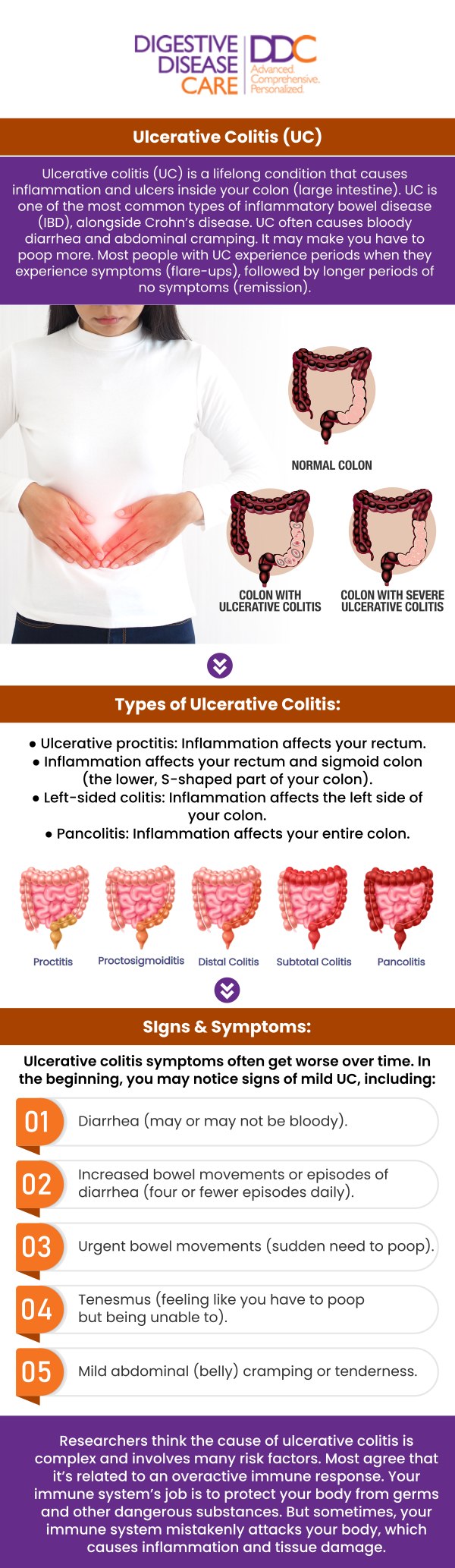
Table of Contents:
What are the early signs of colitis?
How does colitis affect appetite and digestion?
How long do colitis symptoms typically last?
When should I seek medical help for colitis symptoms?
Find Effective Treatment for Colitis Symptoms at Digestive Disease Care (DDC) in Riverhead, NY
Colitis refers to the inflammation of the colon, and it can present with a variety of symptoms, depending on the type of colitis (e.g., ulcerative colitis, ischemic colitis, or infectious colitis). Early signs can vary from mild to severe, and recognizing them early can help prevent further complications.
Common Early Signs of Colitis:
• Abdominal Pain and Cramping: One of the first signs of colitis is persistent abdominal discomfort, which can range from mild to severe cramping. This pain is often located in the lower abdomen and can be accompanied by bloating.
• Diarrhea: Frequent, watery stools are a hallmark of colitis. This can occur with or without the presence of blood, and in severe cases, diarrhea may be accompanied by mucus or pus.
• Blood in Stools: One of the more alarming early signs of colitis is the presence of blood in the stool. This may be visible as bright red blood or darker, tarry stools, depending on the severity and location of the inflammation.
• Urgency to Defecate: People with colitis often experience a sudden, strong urge to use the bathroom, sometimes leading to accidents or difficulty controlling bowel movements.
• Fever: A mild fever may accompany the inflammation, indicating the body’s immune response to the condition.
• Fatigue: Chronic inflammation in the colon can lead to feelings of fatigue and weakness as the body struggles to manage the immune response.
When to Seek Medical Attention:
If you experience any combination of the above symptoms, especially if they persist for more than a few days, it is important to seek medical advice. Early diagnosis and treatment can help reduce inflammation and prevent further complications such as colon damage or infection.
Colitis can significantly affect appetite and digestion, causing a variety of symptoms that interfere with normal eating and nutrient absorption. The inflammation in the colon often leads to digestive disturbances that can result in both physical discomfort and nutritional deficiencies.
Effects on Appetite:
Decreased Appetite: Abdominal pain, cramping, and bloating often lead to a reduced desire to eat. This is particularly true if colitis symptoms are severe, causing discomfort or nausea after meals.
• Food Aversion: Some individuals may develop an aversion to certain foods, particularly those that exacerbate symptoms, such as spicy or high-fiber foods. This can lead to unintentional weight loss and malnutrition over time.
• Digestive Sensitivity: Because the digestive system is compromised, the body may be more sensitive to certain foods, making eating feel uncomfortable or unpleasant.
Effects on Digestion:
• Malabsorption of Nutrients: Inflammation in the colon can impair the body’s ability to absorb nutrients from food, leading to deficiencies in vitamins and minerals such as iron, vitamin B12, and folate.
• Diarrhea and Dehydration: Frequent diarrhea can lead to dehydration and an imbalance in electrolytes, further complicating digestion. The body loses water and essential minerals, which can cause fatigue, dizziness, and other health issues.
• Slow Digestion: Some forms of colitis, such as ischemic colitis, can cause a slowing of the digestive process due to poor blood flow to the colon, leading to symptoms like constipation or discomfort when eating.
If colitis is affecting your appetite or digestion, it is important to consult a gastroenterologist. Treatments can include dietary changes, medications to reduce inflammation, and supplements to help with nutrient deficiencies.
The duration of colitis symptoms can vary significantly from person to person. Some individuals experience occasional flare-ups that subside on their own, while others may have symptoms that persist for weeks or even months. Understanding how long symptoms last is important for managing expectations and seeking appropriate treatment.
Factors That Influence Symptom Duration:
• Type of Colitis: The duration of symptoms depends on the type of colitis. For example, in ulcerative colitis, symptoms can persist for months or years if not properly managed, whereas in infectious colitis, symptoms may resolve in a matter of days with appropriate treatment.
• Severity of Inflammation: In cases of severe colitis, where the inflammation is widespread, symptoms may last longer, requiring more intensive treatment to bring the condition under control.
• Treatment Plan: Individuals who follow an effective treatment plan, including medication, dietary adjustments, and lifestyle changes, may experience shorter and less frequent flare-ups. Delaying treatment or not adhering to the prescribed regimen can prolong symptoms and lead to further complications.
• Complications: If complications arise, such as infection or perforation of the colon, symptoms may worsen and last longer, requiring more aggressive interventions such as surgery or hospitalization.
Typical Symptom Duration:
• Mild Cases: Mild colitis may resolve within a few days or weeks with proper treatment.
• Chronic or Severe Cases: Chronic colitis may result in long-term symptoms, with flare-ups occurring intermittently over the years. For some, flare-ups can be managed with medications, but others may require more intensive therapies.
If your symptoms persist for more than a few days or significantly impact your quality of life, it’s essential to seek professional medical help.
If you experience symptoms of colitis, it’s important to know when to seek medical help. While some cases of mild colitis may resolve with rest and dietary changes, others may require medical intervention to prevent complications.
When to See a Doctor:
• Persistent Symptoms: If your symptoms, such as diarrhea, abdominal pain, or bloating, last more than a few days or become progressively worse, it’s time to seek medical attention.
• Blood in Stools: The presence of blood in the stool, whether bright red or dark, is a concerning sign that requires immediate attention. This can indicate active inflammation or bleeding within the colon.
• Fever or Dehydration: If colitis is accompanied by a fever or signs of dehydration (such as dry mouth, dizziness, or dark urine), you should consult a doctor. Severe dehydration can exacerbate symptoms and lead to further complications.
• Unexplained Weight Loss or Fatigue: Unintentional weight loss, along with extreme fatigue, may indicate that colitis is affecting your ability to absorb nutrients and may require a change in your treatment plan.
• Severe Abdominal Pain: If abdominal pain becomes sharp, constant, or severe, it may be a sign of complications, such as a perforated colon, and you should seek medical care immediately.
A gastroenterologist can evaluate your symptoms, provide a proper diagnosis, and recommend a treatment plan tailored to your needs. If you’re unsure when to seek help, it’s always better to err on the side of caution and reach out to a medical professional.
If you’re struggling with colitis symptoms such as abdominal pain, diarrhea, and bloating, effective treatment is essential for improving your quality of life. At Digestive Disease Care (DDC) in Riverhead, NY, our board-certified gastroenterologists specialize in diagnosing and managing colitis through a range of personalized treatments. We use advanced diagnostic tools to identify the underlying cause of your symptoms and develop tailored treatment plans that may include medication, dietary changes, and lifestyle adjustments to reduce inflammation and improve digestive health.
Our team at DDC is dedicated to providing comprehensive care for patients with colitis, ensuring both short-term relief and long-term management. Whether you have ulcerative colitis, Crohn’s disease, or another form of inflammatory bowel disease, we are here to guide you through every step of your treatment journey. For more information, contact us today or schedule an appointment online. We are conveniently located at 750 Old Country Rd, Riverhead, NY 11901. We serve patients from Riverhead NY, Manorville NY, Westhampton NY, Calverton NY, Mattituck NY, and East Quogue NY.

Check Out Our 5 Star Reviews


Additional Services You May Like

Additional Services You May Like
- Abdominal Pain
- Acid Reflux
- Barretts Esophagus
- Bloating
- Capsule Endoscopy
- Celiac Disease
- Colon Cancer Screening
- Colonoscopy
- Constipation
- Crohns Disease
- Diarrhea
- Diverticulitis
- Esophageal PH Monitoring
- Fatty Liver
- Fibroscan
- Gallstones
- Gastroenterologist
- Gastric Chest Pain
- Gluten Intolerance
- Hemorrhoid
- Hemorrhoid Banding
- Hepatitis
- Irritable Bowel Syndrome
- Lactose Intolerance
- Pancreatitis
- Polyps
- Rectal Bleeding
- Stomach
- Ulcerative Colitis
- GI Urgent Care


 Send Text
 How May I Help You?