

Can Gallstones Cause Pancreatitis? What You Need to Know
Gallstones can cause pancreatitis when a stone moves from the gallbladder and blocks the opening where the bile and pancreatic ducts drain. This blockage can prevent pancreatic enzymes from flowing normally and trigger sudden inflammation of the pancreas. Symptoms may include severe upper abdominal pain, nausea, vomiting, fever, or jaundice. At Digestive Disease Care, our board-certified gastroenterologists evaluate gallstone-related pancreatitis and provide personalized digestive care based on each patient’s needs. For more information, contact us today or book an appointment online. We are conveniently located at 107-40 Queens Blvd Ground Floor, Forest Hills, NY 11375.
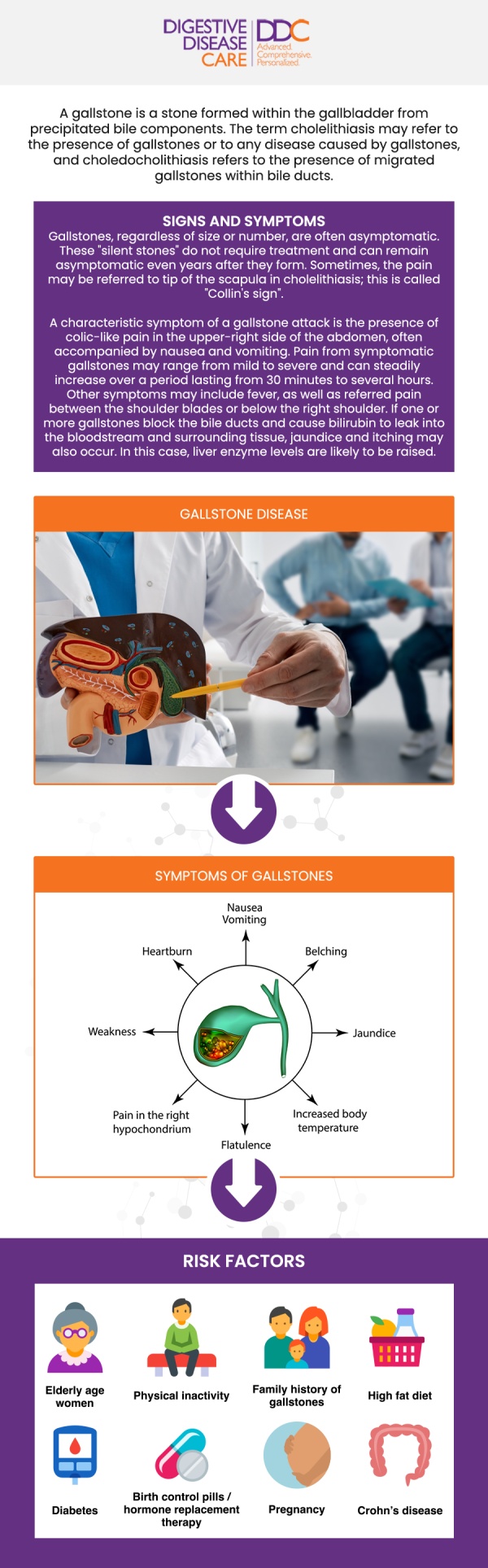

Table of Contents:
How do gallstones lead to pancreatitis?
What symptoms can occur with gallstone-related pancreatitis?
How is pancreatitis caused by gallstones diagnosed?
Can gallstone pancreatitis happen more than once?
At Digestive Disease Care, Our Board-Certified Gastroenterologists Evaluate Pancreatitis Causes, Symptoms, and Risk Factors in Forest Hills, NY
Gallstone pancreatitis develops when a gallstone leaves the gallbladder and becomes lodged in or near the opening where the bile duct and pancreatic duct drain into the small intestine. Because these ducts share a nearby drainage pathway, a stone can interfere with the normal flow of pancreatic digestive enzymes and trigger sudden inflammation of the pancreas.
Even a small gallstone may travel into the common bile duct and temporarily or persistently block drainage. When pancreatic fluids cannot move normally into the intestine, digestive enzymes may become activated within the pancreas and irritate its tissues. This can result in acute pancreatitis, which can range from mild inflammation to a serious medical condition.
Factors involved in gallstone pancreatitis may include:
• Gallstones moving from the gallbladder into the bile duct
• Temporary or persistent blockage near the pancreatic duct
• Disrupted flow of pancreatic digestive fluids
• Increased inflammation within pancreatic tissue
• Blockage of normal bile drainage
• Irritation around the shared bile and pancreatic duct opening
Because gallstone pancreatitis can sometimes worsen quickly, sudden severe upper abdominal pain accompanied by vomiting, fever, jaundice, or significant weakness should receive prompt medical attention.
The most common symptom of gallstone-related pancreatitis is sudden or severe pain in the upper abdomen. The discomfort may remain concentrated in the upper abdominal area or spread toward the back. Some people may notice that the pain becomes persistent and does not improve with changes in position or routine digestive measures.
Other possible symptoms include:
• Severe or persistent upper abdominal pain
• Pain that spreads to the back
• Nausea
• Repeated vomiting
• Abdominal tenderness
• Fever or chills
• Increased heart rate
• Abdominal bloating or swelling
• Reduced appetite
• General weakness or fatigue
• Yellowing of the skin or eyes
Jaundice may occur when a gallstone obstructs the normal movement of bile. Dark urine or unusually pale stools may also occur when bile drainage is affected. These symptoms can indicate that a stone remains in the bile duct and may require additional evaluation.
Symptoms vary depending on the severity of pancreatic inflammation and whether there is ongoing bile duct obstruction. Severe abdominal pain, persistent vomiting, fever, jaundice, breathing difficulty, or rapidly worsening symptoms should be evaluated urgently.
Diagnosing gallstone pancreatitis usually involves a combination of medical history, physical examination, laboratory testing, and imaging studies. The evaluation may begin with questions about the location and severity of abdominal pain, previous gallbladder symptoms, earlier episodes of pancreatitis, digestive changes, and other possible risk factors.
Blood tests can help determine whether pancreatic inflammation is present. Pancreatic enzyme levels may become elevated during acute pancreatitis. Liver-related blood tests may also be evaluated because certain abnormalities can suggest that a gallstone is blocking or has recently passed through the bile duct.
Imaging studies may include:
• Abdominal ultrasound: Used to look for gallstones and evaluate the gallbladder and bile ducts.
• CT scan: May help assess pancreatic inflammation and identify complications.
• MRCP: Provides detailed images of the bile ducts, pancreatic ducts, gallbladder, and surrounding structures.
• Endoscopic evaluation: In selected cases, specialized endoscopic procedures may be used to locate and remove an obstructing bile duct stone.
The specific tests recommended depend on the patient’s symptoms, laboratory findings, medical history, and severity of illness. A thorough evaluation helps determine whether gallstones are the likely cause and whether additional intervention is necessary.
Yes. Gallstone pancreatitis can happen more than once if gallstones remain in the gallbladder or if additional stones move into the bile duct. A patient may recover completely from one episode but still have other gallstones capable of causing another blockage in the future.
Recurring episodes may occur when another stone travels through the bile duct and temporarily blocks pancreatic drainage. This can result in renewed pancreatic inflammation and symptoms similar to the first episode. Gallstones may also lead to other complications involving the gallbladder or bile ducts.
Factors that may influence recurrence include:
• Remaining gallstones in the gallbladder
• Repeated movement of stones into the bile duct
• Persistent or recurring bile duct obstruction
• Previous episodes of gallstone pancreatitis
• Delayed treatment of the underlying gallstone problem
• Individual health factors affecting treatment options
After an episode of gallstone pancreatitis, addressing the underlying gallstone condition is important for reducing the likelihood of future attacks. Depending on the severity of pancreatitis and the patient’s overall health, additional treatment or follow-up may be recommended.
At Digestive Disease Care, our board-certified gastroenterologists provide individualized evaluation for patients experiencing pancreatitis symptoms or concerns related to gallstones in Forest Hills, NY. Our team reviews digestive symptoms, medical history, previous gallstone problems, laboratory findings, and other possible risk factors to help determine the underlying cause of pancreatic inflammation.
Our evaluation may include:
• Reviewing the location and severity of abdominal pain
• Assessing nausea, vomiting, fever, and digestive changes
• Evaluating a history of gallstones or previous pancreatitis
• Reviewing laboratory findings related to pancreatic inflammation
• Determining whether diagnostic imaging may be appropriate
• Checking for signs of bile duct obstruction
• Identifying factors that may contribute to recurrent pancreatitis
• Providing individualized guidance for ongoing digestive care
Pancreatitis can develop for several reasons, making an accurate diagnosis important for appropriate management. At Digestive Disease Care, our board-certified gastroenterologists work with patients in Forest Hills, NY, to identify possible causes of pancreatitis, evaluate gallstone-related risk factors, monitor digestive health, and provide personalized care based on each patient’s needs. For more information, contact us today or book an appointment online. We are conveniently located at 107-40 Queens Blvd Ground Floor, Forest Hills, NY 11375. We serve patients from Forest Hills NY, Queens NY, Brooklyn NY, Elmont NY, Floral Park NY, New Hyde NY, and surrounding areas.

Check Out Our 5 Star Reviews


Additional Services You May Like

Additional Services You May Like
- Abdominal Pain
- Acid Reflux
- Barretts Esophagus
- Bloating
- Capsule Endoscopy
- Celiac Disease
- Colon Cancer Screening
- Colonoscopy
- Constipation
- Crohns Disease
- Diarrhea
- Diverticulitis
- Esophageal PH Monitoring
- Fatty Liver
- Fibroscan
- Gallstones
- Gastroenterologist
- Gastric Chest Pain
- Gluten Intolerance
- Hemorrhoid
- Hemorrhoid Banding
- Hepatitis
- Irritable Bowel Syndrome
- Lactose Intolerance
- Pancreatitis
- Polyps
- Rectal Bleeding
- Stomach
- Ulcerative Colitis
- GI Urgent Care


 Send Text
 How May I Help You?