

When Should You Seek Medical Help for Ulcerative Colitis Symptoms?
Knowing when to seek medical help for ulcerative colitis symptoms is crucial, especially if you are experiencing persistent digestive issues like severe abdominal pain, chronic diarrhea, or bloody stools. If these debilitating flare-ups begin to disrupt your daily life or are accompanied by unexplained weight loss and fatigue, it is time to consult Dr. Preeti Mehta, MD, and the team at Digestive Disease Care in Melville, NY. Through comprehensive diagnostic testing and personalized management plans, Dr. Mehta will help you effectively control inflammation, achieve lasting remission, and confidently regain control over your digestive health. For more information, contact us today or schedule an appointment online. We are conveniently located at 150 Broadhollow Rd Suite 120-B, Melville, NY 11747.
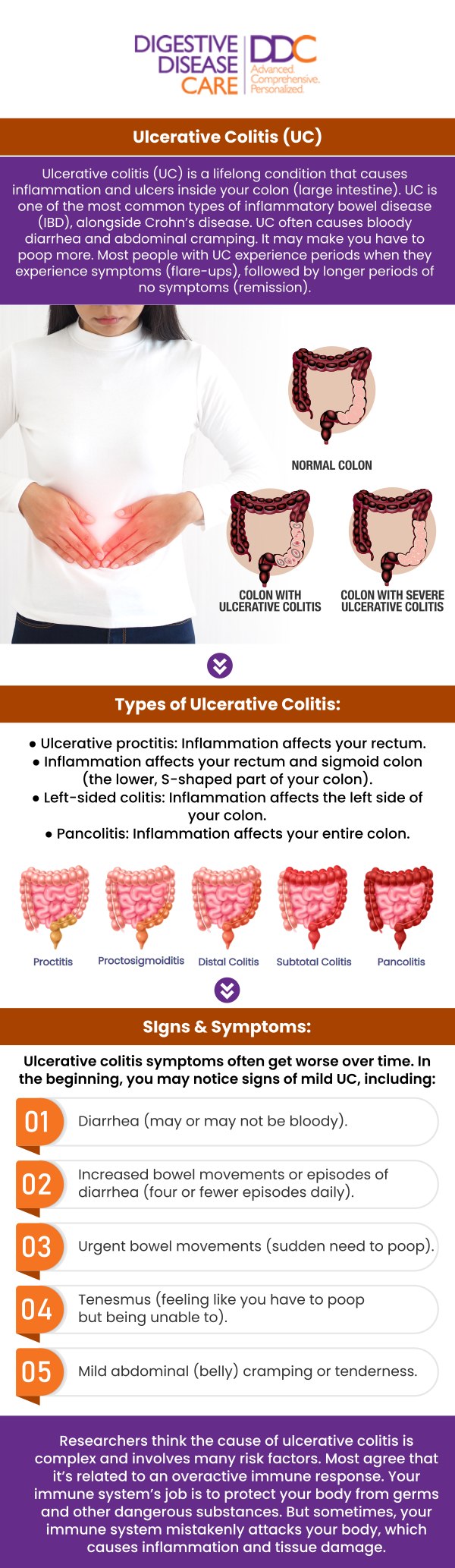
Table of Contents:
How does ulcerative colitis affect the digestive system?
Can ulcerative colitis cause pain?
What are the signs of a flare-up of ulcerative colitis?
When should I seek medical help for ulcerative colitis symptoms?
Struggling with Ulcerative Colitis Symptoms? Dr. Preeti Mehta, MD, and Our Team Offer Solutions in Melville, NY
Ulcerative colitis is a chronic inflammatory condition that affects the innermost lining of the large intestine — the colon and rectum. In a healthy digestive system, food moves through the digestive tract as nutrients are absorbed and waste is eventually eliminated as stool. However, in ulcerative colitis, the immune system mistakenly attacks healthy tissue in the colon, leading to persistent inflammation and the formation of tiny open sores called ulcers. This ongoing inflammation interferes with the colon’s ability to absorb water and electrolytes, ultimately disrupting normal digestion and bowel function.
The inflammation caused by ulcerative colitis affects the digestive system in several ways:
• Impaired nutrient absorption: Inflammation damages the colon’s lining, reducing its ability to absorb water and nutrients effectively.
• Increased bowel urgency: Frequent inflammation leads to increased bowel movements and an urgent need to defecate.
• Diarrhea and loose stools: Because water absorption is compromised, stools may remain loose and frequent.
• Mucus production: The inflamed lining may produce excess mucus, contributing to discomfort and urgency.
Persistent inflammation also weakens the colon’s natural barrier, making it more sensitive and less efficient at digesting food. Over time, this can lead to dehydration, electrolyte imbalance, and weight loss if not properly managed. Understanding how ulcerative colitis affects the digestive system helps individuals recognize the importance of early intervention and long‑term disease management.
Yes, ulcerative colitis commonly causes pain as a result of inflammation and irritation in the colon. Abdominal pain is one of the most frequent symptoms reported by adults living with this condition. The severity of the pain can vary widely, depending on the extent and intensity of inflammation. Some individuals experience mild cramping or general discomfort, while others may have sharp, persistent pain that interferes with daily life.
Typical descriptions of ulcerative colitis pain include:
• Cramping or squeezing sensations in the lower abdomen
• Pain associated with bowel movements
• Persistent discomfort during flare‑ups
• Pain that worsens after eating
Pain occurs because inflamed tissue is sensitive and more reactive than healthy tissue. During a flare‑up, the colon’s muscle contractions may become stronger and more frequent, contributing to painful sensations as the body attempts to push waste through an inflamed digestive tract.
In addition to abdominal pain, individuals with ulcerative colitis may also experience discomfort due to bloating and gas. Pain is often a signal that the disease is active and that intervention may be necessary to reduce inflammation and restore comfort.
A flare‑up refers to a period when ulcerative colitis symptoms worsen or become more active. Flare‑ups can occur suddenly and may vary in intensity from mild to severe. Recognizing these signs early allows individuals to seek appropriate care and prevent complications.
Common signs of a flare‑up include:
• Increased frequency of bowel movements
• Persistent diarrhea, sometimes with blood or mucus
• Heightened abdominal pain or cramping
• Urgency to have a bowel movement
• Fatigue or feeling unusually tired
• Unexplained weight loss
• Fever during more severe inflammation
Some individuals experience periods of remission — where symptoms improve or disappear — followed by flare‑ups. Flare‑ups can be triggered by stress, dietary changes, infections, or lack of medication adherence. The presence of blood in the stool, severe cramping, or ongoing discomfort suggests that the inflammation is increasing and warrants attention from a healthcare specialist.
Additional signs that warrant concern include nighttime symptoms that disrupt sleep, a sudden drop in energy, or significant changes in appetite. Tracking symptom patterns helps individuals and their medical team identify when a flare‑up is developing and tailor treatment accordingly.
Ulcerative colitis is a chronic condition that benefits from ongoing medical supervision. While mild symptoms may be managed with lifestyle changes and existing treatment plans, there are specific situations where prompt medical care is essential.
Seek medical help when you experience:
• Severe abdominal pain that doesn’t improve
• High fever
• Persistent bleeding or large amounts of blood in stool
• Signs of dehydration (such as dark urine or dizziness)
• Unintended weight loss
• Significant changes in bowel habits
• Symptoms that worsen despite treatment
Any sudden escalation in symptoms — especially intense pain, fever, or heavy bleeding — should prompt immediate evaluation by a gastroenterologist or specialist. Delaying care can increase the risk of complications such as severe dehydration, anemia, or colon damage.
Even during periods of remission, regular follow‑up with a healthcare provider ensures that your treatment plan remains effective and tailored to your current needs. Routine monitoring also helps detect subtle changes early, enabling adjustments before symptoms intensify.
If you’re living with ulcerative colitis or suspect your symptoms are worsening, expert care from a gastroenterology specialist can make a transformative difference. In Melville, NY, Dr. Preeti Mehta, MD, and the devoted team at Digestive Disease Care provide advanced, individualized care to help manage ulcerative colitis and reclaim their quality of life.
Dr. Mehta is a board‑certified gastroenterologist with extensive expertise in diagnosing and treating inflammatory bowel diseases like ulcerative colitis. She understands the physical and emotional burden of living with chronic digestive symptoms and works closely with each patient to develop personalized treatment plans that address their unique needs. This begins with a thorough clinical evaluation, including a detailed medical history, physical examination, and advanced diagnostic testing as needed.
At Digestive Disease Care, the emphasis is on compassionate, evidence‑based care that not only treats flare‑ups but also focuses on long‑term disease management. Whether you are experiencing mild discomfort, a significant flareup, or changes in symptoms, Dr. Mehta provides guidance and treatment options designed to reduce inflammation, improve digestive function, and enhance your daily comfort.
What you can expect from care at Digestive Disease Care:
• Accurate diagnosis and monitoring of disease activity
• Customized treatment plans tailored to your symptoms and health goals
• Evidence‑based medication management to control inflammation
• Supportive lifestyle guidance to reduce triggers and promote remission
Conveniently serving adults in Melville and the surrounding communities, Digestive Disease Care is dedicated to helping you face ulcerative colitis with confidence. You don’t have to manage symptoms alone — medical support is available to help you achieve sustained relief and digestive wellness.
If your symptoms are affecting your comfort, daily routine, or quality of life, scheduling an evaluation with Dr. Preeti Mehta can help you understand your condition and explore effective paths to managing it more effectively. Don’t wait for symptoms to worsen — seeking medical care early leads to better outcomes. For more information, contact us today or schedule an appointment online. We are conveniently located at 150 Broadhollow Rd Suite 120-B, Melville, NY 11747. We serve patients from Melville NY, Brentwood NY, Farmingdale NY, Huntington NY, Commack NY, Lindenhurst NY and the surrounding areas.

Check Out Our 5 Star Reviews


Additional Services You May Like

Additional Services You May Like
- Abdominal Pain
- Acid Reflux
- Barretts Esophagus
- Bloating
- Capsule Endoscopy
- Celiac Disease
- Colon Cancer Screening
- Colonoscopy
- Constipation
- Crohns Disease
- Diarrhea
- Diverticulitis
- Esophageal PH Monitoring
- Fatty Liver
- Fibroscan
- Gallstones
- Gastroenterologist
- Gastric Chest Pain
- Gluten Intolerance
- Hemorrhoid
- Hemorrhoid Banding
- Hepatitis
- Irritable Bowel Syndrome
- Lactose Intolerance
- Pancreatitis
- Polyps
- Rectal Bleeding
- Stomach
- Ulcerative Colitis
- GI Urgent Care


 Send Text
 How May I Help You?