

Does Fatty Liver Cause Pain?
Fatty liver disease can lead to discomfort, often causing a dull ache in the upper right abdomen. The pain may be mild to moderate, sometimes worsening after meals or physical activity. While not everyone with fatty liver experiences pain, it’s important to recognize when symptoms arise. For personalized care and treatment options, consult Board-certified Dr. Preeti Mehta at Digestive Disease Care. For more information, contact us or schedule an appointment. We are conveniently located at 366 N Broadway Suite, LW-2-B, Jericho, NY 11753.
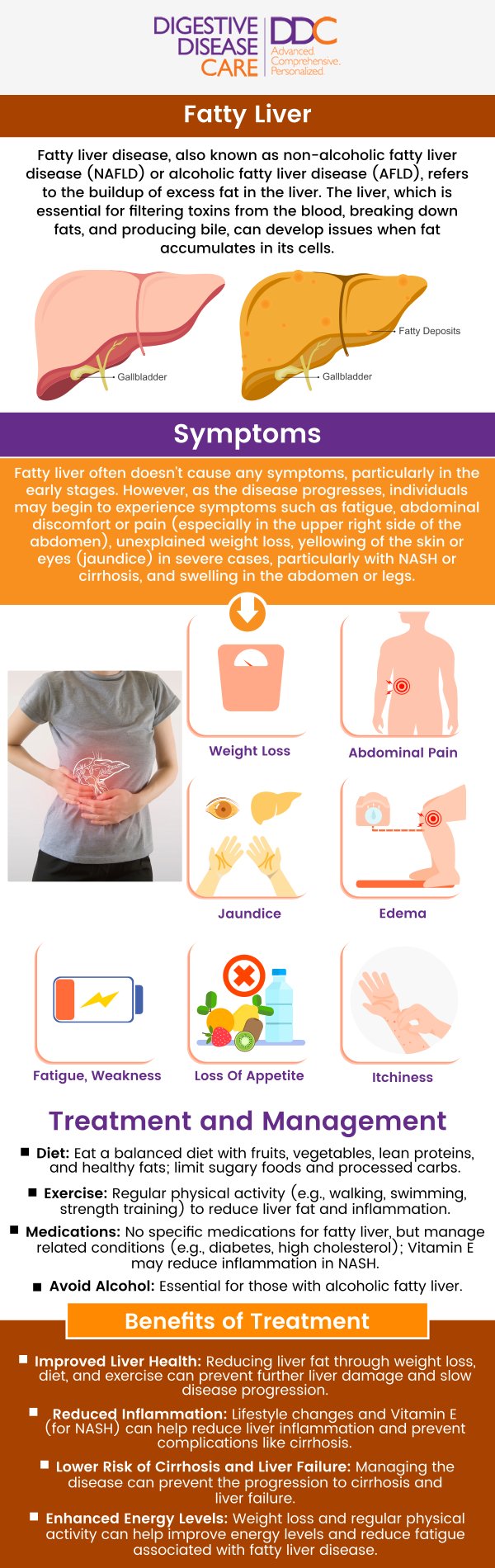
Table of Contents:
Can fatty liver disease cause abdominal pain?
What type of pain is associated with fatty liver disease?
Can fatty liver disease be a silent condition without pain?
Can fatty liver disease cause pain after eating?
How Dr. Preeti Mehta at Digestive Disease Care Offers Personalized Treatment for Fatty Liver Pain
Fatty liver disease, often diagnosed through imaging or blood tests, occurs when excess fat accumulates in the liver cells. While this condition may not always cause symptoms, it can lead to abdominal discomfort in some individuals. When the liver becomes enlarged due to fatty deposits, it may stretch its capsule, leading to pain or discomfort in the upper right part of the abdomen.
Why Does Fatty Liver Disease Cause Pain?
• Inflammation: As fat accumulates, the liver becomes inflamed. This inflammation can cause discomfort in the upper abdomen, especially when lying down or after eating.
• Enlarged liver: A swollen liver can put pressure on surrounding organs, contributing to dull aches or a feeling of fullness in the abdominal area.
• Tissue damage: In more advanced stages, fatty liver disease can progress to non-alcoholic steatohepatitis (NASH), where liver tissue becomes scarred. This scarring can intensify pain and discomfort as the liver struggles to function properly.
Though many people with fatty liver disease may not experience pain, those who do often feel a persistent, dull ache rather than sharp or sudden pain. If the discomfort worsens or becomes more frequent, it’s essential to seek medical advice for proper diagnosis and management.
Fatty liver disease typically causes a dull, aching pain in the upper right side of the abdomen, though not everyone with this condition will experience pain. The pain is usually mild to moderate and may be accompanied by feelings of fullness or bloating.
Common Characteristics of Pain:
• Dull and achy: Unlike sharp, cramp-like pain from digestive issues, the pain caused by fatty liver disease is often described as a continuous, dull ache.
• Location: The pain is commonly felt just beneath the ribs on the right side, where the liver is located.
• Pressure-like sensation: In some cases, individuals may feel a sensation of pressure or tightness in the abdomen due to liver enlargement.
When to Seek Medical Attention:
• Persistent pain that doesn’t subside after eating or changes in posture may indicate liver dysfunction.
• If the pain is accompanied by other symptoms like jaundice (yellowing of the skin or eyes), swelling, or unusual fatigue, a healthcare provider should evaluate the situation to rule out more severe liver conditions.
Even if the pain remains mild, seeking medical care ensures early intervention, potentially preventing the progression of fatty liver disease.
Yes, fatty liver disease can be entirely silent in its early stages. Many individuals with the condition do not experience any pain or noticeable symptoms. This is why it’s often called a “silent” disease. In fact, many people may not be aware they have fatty liver until they undergo routine blood tests or imaging for another health concern.
How Fatty Liver Can Remain Silent:
• Absence of symptoms: Fatty liver disease often doesn’t cause significant pain or discomfort early on. It may only become noticeable when the liver becomes more inflamed or when scarring (fibrosis) begins to develop.
• Mild, non-specific signs: If symptoms do occur, they may be vague, such as mild fatigue, slight nausea, or general discomfort. These can easily be overlooked or attributed to other causes.
Progression Without Symptoms:
While fatty liver may be silent in the early stages, it can progress over time. If untreated, it may develop into more serious conditions like non-alcoholic steatohepatitis (NASH) or cirrhosis, which can lead to noticeable symptoms such as abdominal pain, jaundice, and swelling. Regular check-ups and screening for individuals at risk (overweight, diabetic, high cholesterol) are important to catch fatty liver early, before symptoms appear.
In some cases, individuals with fatty liver disease may experience pain or discomfort after eating, especially after consuming fatty or heavy meals. This can occur because the liver becomes stressed when metabolizing food, especially fats.
Why Pain Occurs After Eating:
• Increased liver activity: After a fatty meal, the liver works harder to metabolize the fat, which may exacerbate any existing liver inflammation and cause discomfort.
• Fatty meal trigger: Fatty foods require bile for digestion, and in individuals with fatty liver, the liver may struggle to produce or release enough bile, which could cause discomfort.
• Delayed gastric emptying: Some people with fatty liver disease may experience delayed gastric emptying, which can lead to bloating and discomfort after eating, further stressing the liver.
How to Manage Post-Meal Pain:
• Avoid heavy meals: Reducing the intake of fatty foods or large meals can minimize post-meal discomfort.
• Smaller, balanced meals: Eating smaller meals more frequently throughout the day can help reduce strain on the liver.
• Consult your doctor: If pain continues or becomes severe after meals, it’s important to discuss potential treatments with your healthcare provider to manage symptoms effectively.
Dr. Preeti Mehta at Digestive Disease Care offers comprehensive, personalized care for patients experiencing fatty liver disease and related pain. With her expertise as a board-certified gastroenterologist, Dr. Mehta takes a holistic approach to both diagnosing and managing the condition.
Personalized Care Approach:
• Comprehensive evaluation: Dr. Mehta starts by thoroughly assessing each patient’s medical history, lifestyle factors, and symptoms to tailor a treatment plan that fits their unique needs.
• Advanced diagnostics: Blood tests, liver function tests, and imaging like ultrasound or elastography allow Dr. Mehta to determine the extent of fatty liver disease and any related liver damage.
• Custom management plans: For patients experiencing pain, Dr. Mehta creates personalized plans that may include dietary adjustments, weight management strategies, and medications aimed at reducing liver inflammation.
Focus on Long-term Liver Health:
• Lifestyle modification: Dr. Mehta emphasizes lifestyle changes such as healthier eating, regular exercise, and weight loss, which are critical in managing and reversing fatty liver disease.
• Ongoing monitoring: Regular follow-up appointments ensure that patients are progressing toward better liver health and that their treatment plan remains effective.
Dr. Mehta’s compassionate care and commitment to patient education ensure that individuals with fatty liver disease receive the support they need to improve their health and prevent further liver damage. If you’re experiencing symptoms like abdominal pain or discomfort, Dr. Mehta can help guide you on a path to better liver health. For more information, contact us or schedule an appointment. We are conveniently located at 366 N Broadway Suite, LW-2-B, Jericho, NY 11753. We serve patients from Jericho NY, Plainview NY, Mineola NY, Levittown NY, Farmingdale NY, Syosset NY, and surrounding areas.

Check Out Our 5 Star Reviews


Additional Services You May Like

Additional Services You May Like
- Abdominal Pain
- Acid Reflux
- Barretts Esophagus
- Bloating
- Capsule Endoscopy
- Celiac Disease
- Colon Cancer Screening
- Colonoscopy
- Constipation
- Crohns Disease
- Diarrhea
- Diverticulitis
- Esophageal PH Monitoring
- Fatty Liver
- Fibroscan
- Gallstones
- Gastroenterologist
- Gastric Chest Pain
- Gluten Intolerance
- Hemorrhoid
- Hemorrhoid Banding
- Hepatitis
- Irritable Bowel Syndrome
- Lactose Intolerance
- Pancreatitis
- Polyps
- Rectal Bleeding
- Stomach
- Ulcerative Colitis
- GI Urgent Care


 Send Text
 How May I Help You?