

What Causes Rectal Bleeding?
Rectal bleeding can be caused by a variety of conditions, ranging from benign issues like hemorrhoids to more serious conditions such as colorectal cancer or gastrointestinal bleeding. The bleeding is often bright red and may be visible on toilet paper or in the toilet bowl. Our team of board-certified gastroenterologists at Digestive Disease Care is dedicated to accurately diagnosing the cause of rectal bleeding and providing personalized treatment to ensure your digestive health. For more information, contact us or book an appointment online. We have convenient locations to serve you in Babylon NY, East Setauket NY, Forest Hills NY, Jericho NY, Lake Success NY, Melville NY, Mineola NY, Massapequa NY, New Hyde Park NY and Riverhead NY.
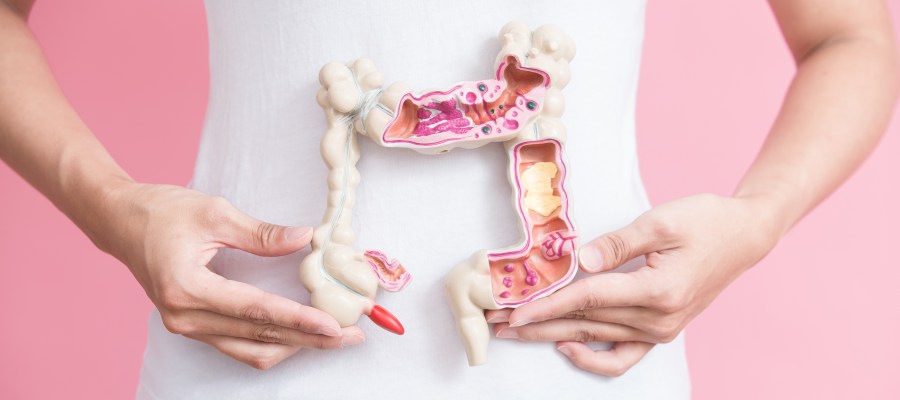

Table of Contents:
What Are the Most Common Causes of Rectal Bleeding?
How Do I Know if My Rectal Bleeding Is from Hemorrhoids?
When Should I See a Doctor for Rectal Bleeding?
Can Rectal Bleeding Be a Sign of Colorectal Cancer?
Dr. Preeti Mehta, MD, and Our Team at Digestive Disease Care Help You Understand the Causes of Rectal Bleeding
Rectal bleeding is a common symptom that can be caused by a variety of conditions affecting the lower gastrointestinal (GI) tract. While it can be alarming, the majority of cases are caused by relatively benign conditions such as hemorrhoids or anal fissures. However, it’s essential to evaluate any instance of rectal bleeding to rule out more serious conditions, including colorectal cancer or inflammatory bowel disease (IBD).
Common Causes of Rectal Bleeding:
Hemorrhoids
• Hemorrhoids are swollen veins in the rectum or anus. These swollen veins can cause bleeding, pain, itching, and discomfort, particularly during or after bowel movements.
• Key Symptoms: Bright red blood on toilet paper or in the toilet bowl after a bowel movement, pain during bowel movements, itching or swelling around the anus.
Anal Fissures
• Small tears or cracks in the skin around the anus that occur due to the passage of large or hard stools. These fissures can cause sharp pain during and after bowel movements, along with bright red bleeding.
• Key Symptoms: Intense pain during or after bowel movements, visible cracks or tears around the anus, and bleeding that is typically bright red.
Diverticulosis
• Diverticulosis occurs when small pouches, called diverticula, form in the colon wall. If these pouches become inflamed or infected (diverticulitis), they can cause bleeding.
• Key Symptoms: Painless rectal bleeding, which may be sudden and significant. Diverticulosis may also cause changes in bowel habits or abdominal discomfort.
Gastrointestinal Bleeding from Ulcers
• Ulcers are open sores that form on the lining of the stomach or intestines. They can cause bleeding that appears in the stool. This bleeding may be gradual and dark in color, indicating that it’s from higher up in the GI tract.
• Key Symptoms: Dark or tarry stools (melena), unexplained weight loss, persistent abdominal pain, and bloating.
Colorectal Polyps or Cancer
• Colorectal polyps are abnormal growths on the colon or rectum lining. While many polyps are benign, some can become cancerous over time. Colorectal cancer can also cause rectal bleeding.
• Key Symptoms: Intermittent bleeding, darker-colored blood in stools, changes in bowel habits, and abdominal discomfort.
Inflammatory Bowel Disease (IBD)
• Chronic conditions like Crohn’s disease and ulcerative colitis cause inflammation in the intestines, leading to rectal bleeding. These conditions are often associated with diarrhea, abdominal pain, and weight loss.
• Key Symptoms: Diarrhea with blood, abdominal cramps, weight loss, and fatigue.
Less Common Causes of Rectal Bleeding:
• Infections: Bacterial or viral infections, such as gastroenteritis, can cause rectal bleeding.
• Angiodysplasia: Abnormal blood vessels in the colon that can lead to intermittent bleeding.
• Radiation Therapy: Patients who have undergone radiation therapy for cancer may experience rectal bleeding as a side effect.
Rectal bleeding is often related to benign conditions, but it is essential to seek medical evaluation to determine the underlying cause and prevent complications. If you experience persistent or severe bleeding, consult with a healthcare provider for proper diagnosis.
Hemorrhoids are one of the most common causes of rectal bleeding, but it can be difficult to tell if your bleeding is caused by hemorrhoids or another condition. Here are the key signs to help you identify whether your bleeding may be due to hemorrhoids:
Signs That Rectal Bleeding May Be From Hemorrhoids:
Bright Red Blood
• Bleeding from hemorrhoids is typically bright red, and you may notice blood on toilet paper, in the toilet bowl, or on the surface of your stool. The blood is usually fresh, which indicates it is from the anus or rectum.
Pain or Discomfort
• If hemorrhoids are external, they may cause itching, swelling, and pain around the anus. Internal hemorrhoids typically cause no pain but can lead to bleeding when irritated.
Blood on Toilet Paper or Stool
• If blood appears on the toilet paper after wiping or on the surface of the stool, it’s likely from hemorrhoids. In contrast, bleeding from higher up in the digestive tract will result in blood that is digested, causing it to appear darker or tarry.
Protrusion or Lumps
• External hemorrhoids can often be felt as small lumps or swelling around the anus. Internal hemorrhoids may protrude through the anal opening during bowel movements and cause mild discomfort or bleeding.
Itching or Irritation
• Hemorrhoids are often associated with itching or a feeling of fullness around the anus, in addition to bleeding. This is a common symptom in external hemorrhoids.
Treatment for Hemorrhoids
Hemorrhoidal bleeding is usually harmless and can be treated with lifestyle changes such as increasing fiber intake, staying hydrated, and avoiding excessive straining during bowel movements. Over-the-counter creams and warm sitz baths can also provide relief. However, if the bleeding persists or if there is significant pain, it is important to consult with a healthcare provider.
Rectal bleeding, though often caused by benign conditions, can sometimes indicate a more serious underlying issue. It is important to know when to seek medical care to ensure that any potential health risks are addressed promptly.
When to See a Doctor:
If Bleeding is Persistent or Severe
• If rectal bleeding lasts for several days or becomes heavier, it is essential to consult a healthcare provider. Significant amounts of blood in the stool or a darker color may indicate a more serious condition, such as colorectal cancer or GI bleeding.
If You Experience Other Symptoms
• If bleeding is accompanied by severe pain, fever, unintentional weight loss, or abdominal pain, these could be signs of more serious conditions like inflammatory bowel disease (IBD) or colorectal cancer.
If You Have a Family History of Colorectal Cancer
• If you have a family history of colorectal cancer or polyps, even small amounts of blood should be evaluated by a doctor. Family history increases your risk of developing colorectal conditions.
If You Experience Other Risk Factors
• Individuals with a history of gastrointestinal conditions like Crohn’s disease or ulcerative colitis, or those who have had recent surgeries, should see a doctor if they notice any new or unusual rectal bleeding.
What to Expect at the Doctor’s Office:
• Physical Exam: A healthcare provider will perform a physical exam to check for visible hemorrhoids or other abnormalities.
• Rectal Exam: A digital rectal exam (DRE) may be performed to assess internal hemorrhoids, growths, or signs of inflammation.
• Diagnostic Tests: If needed, further tests like colonoscopy, sigmoidoscopy, or imaging studies may be recommended to evaluate the gastrointestinal tract.
Even if hemorrhoids are the suspected cause, it is essential to rule out more serious conditions and ensure that proper treatment is provided.
Yes, rectal bleeding can be an early sign of colorectal cancer, but it’s important to remember that not all cases of rectal bleeding are related to cancer. Colorectal cancer may cause rectal bleeding in its early stages, but the bleeding is often intermittent and may not always be accompanied by other symptoms.
How Rectal Bleeding May Be Linked to Colorectal Cancer:
• Dark or Black Blood: If the blood is digested, it may appear as black, tarry stools (melena), indicating that the source of bleeding is higher up in the colon.
• Changes in Bowel Habits: Unexplained changes in bowel habits, such as alternating between diarrhea and constipation, or narrowing of the stool, could indicate a colorectal issue.
• Abdominal Pain: Persistent or worsening abdominal pain, especially in combination with rectal bleeding, could be indicative of colorectal cancer.
• Unexplained Weight Loss: Unexplained weight loss and fatigue may accompany rectal bleeding, suggesting the presence of cancer.
While rectal bleeding can have many benign causes, it is essential to seek medical evaluation if you experience persistent symptoms, especially if you have a family history of colorectal cancer.
Dr. Preeti Mehta, MD, and our team at Digestive Disease Care offer expert care in diagnosing and treating the underlying causes of rectal bleeding. With years of experience in gastroenterology, they provide thorough evaluations to identify whether the bleeding is due to benign conditions like hemorrhoids or more serious conditions such as colorectal cancer or inflammatory bowel disease. Our team uses advanced diagnostic tools and personalized treatment plans to ensure the best possible care for each patient.
By recognizing the many possible causes of rectal bleeding, Dr. Preeti Mehta and our team are dedicated to guiding patients through accurate diagnosis and effective management. Whether it’s offering relief from common conditions like hemorrhoids or providing comprehensive care for more complex issues, our team is committed to improving digestive health and ensuring long-term well-being. For more information, please contact us or book an appointment online. We have convenient locations to serve you in Babylon NY, East Setauket NY, Forest Hills NY, Jericho NY, Lake Success NY, Melville NY, Mineola NY, Massapequa NY, New Hyde Park NY and Riverhead NY.

Check Out Our 5 Star Reviews


Additional Services You May Like

Additional Services You May Like
- Abdominal Pain
- Acid Reflux
- Barretts Esophagus
- Bloating
- Capsule Endoscopy
- Celiac Disease
- Colon Cancer Screening
- Colonoscopy
- Constipation
- Crohns Disease
- Diarrhea
- Diverticulitis
- Esophageal PH Monitoring
- Fatty Liver
- Fibroscan
- Gallstones
- Gastroenterologist
- Gastric Chest Pain
- Gluten Intolerance
- Hemorrhoid
- Hemorrhoid Banding
- Hepatitis
- Irritable Bowel Syndrome
- Lactose Intolerance
- Pancreatitis
- Polyps
- Rectal Bleeding
- Stomach
- Ulcerative Colitis
- GI Urgent Care


 Send Text
 How May I Help You?