

Acid Reflux Flare-Up: Causes, Symptoms, and When to Seek Care
An acid reflux flare-up can cause sudden burning, regurgitation, throat irritation, and other uncomfortable digestive symptoms. Common triggers may include certain foods, large meals, stress, and lying down soon after eating. Recognizing symptom patterns can help you understand when lifestyle adjustments or medical evaluation may be helpful. Board-Certified Gastroenterologists at Digestive Disease Care (DDC) in Babylon, NY provide personalized guidance for patients experiencing frequent or persistent acid reflux flare-ups. For more information, contact us today or schedule an appointment online. We are conveniently located at 373 W Main St, Babylon, NY 11702.
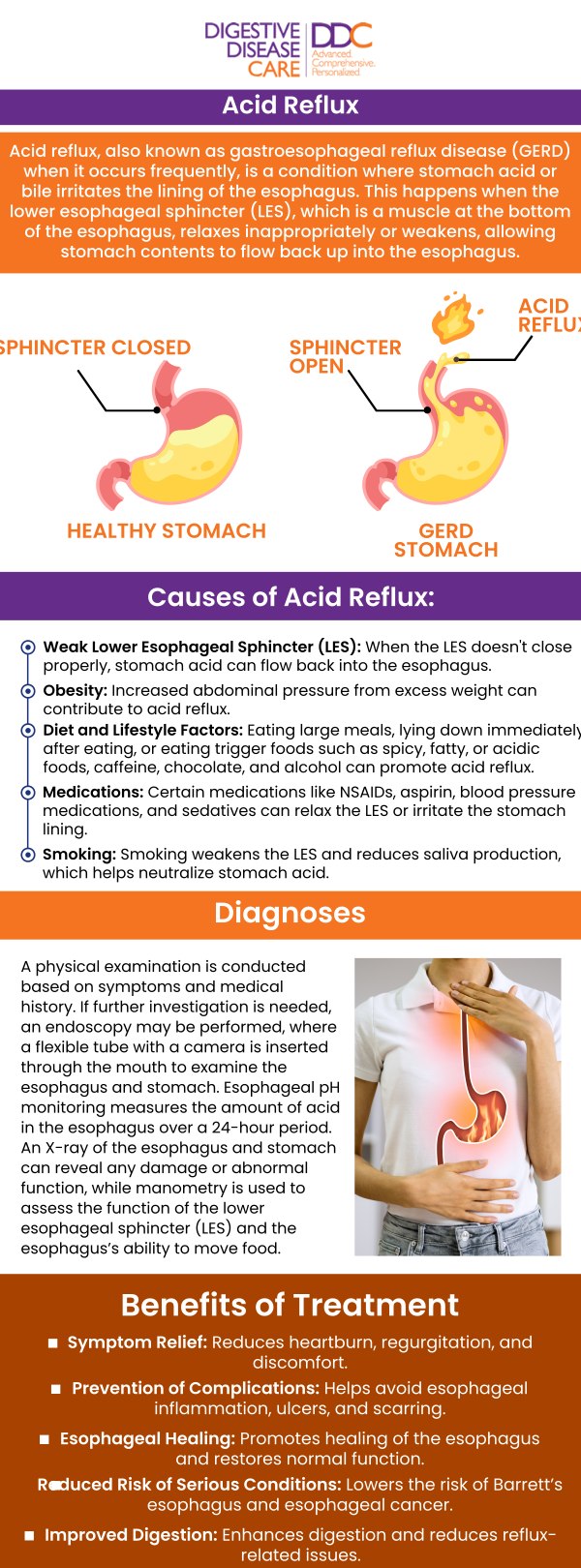
Table of Contents:
What can cause an acid reflux flare-up to happen suddenly?
How can you identify symptoms during an acid reflux flare-up?
When should you see a gastroenterologist for frequent acid reflux flare-ups?
How can lifestyle changes help reduce recurring acid reflux flare-ups?
Managing Acid Reflux Flare-Ups With Guidance From Board-Certified Gastroenterologists at Digestive Disease Care (DDC) in Babylon, NY
An acid reflux flare-up occurs when stomach contents move back into the esophagus, causing irritation and uncomfortable digestive symptoms. While occasional reflux can happen due to certain meals or daily habits, repeated flare-ups may affect your comfort, sleep, and quality of life. Understanding what contributes to reflux episodes can help you recognize patterns and make informed decisions about your digestive health.
At Digestive Disease Care (DDC), our board-certified gastroenterologists in Babylon, NY provide personalized evaluations to help patients understand their reflux symptoms. Our team reviews individual health concerns, symptom patterns, and lifestyle factors to help identify possible causes and develop an appropriate care approach.
An acid reflux flare-up may occur unexpectedly when certain triggers affect digestion or increase pressure on the stomach. Even people who experience occasional reflux may notice sudden symptoms after changes in eating habits, stress levels, or daily routines.
Common factors that may contribute to a sudden acid reflux flare-up include:
• Eating large meals: Consuming larger portions can increase stomach pressure, making it easier for stomach contents to move upward.
• Certain foods and beverages: Spicy foods, acidic foods, fatty meals, caffeine, chocolate, and carbonated drinks may trigger symptoms in some individuals.
• Eating too close to bedtime: Lying down shortly after eating may increase the chance of reflux symptoms.
• Stress and emotional changes: Stress may affect digestive function and contribute to increased discomfort.
• Changes in daily habits: Irregular meals, reduced activity, or changes in sleep patterns may influence reflux symptoms.
• Weight-related factors: Increased pressure around the abdomen may contribute to reflux concerns.
• Personal digestive sensitivities: Individual responses to foods and lifestyle factors can vary.
Identifying your personal triggers can be helpful when managing recurring symptoms. Keeping track of meals, symptom timing, and daily routines may provide valuable information during a digestive health evaluation.
Recognizing the symptoms of an acid reflux flare-up can help you understand when digestive concerns may need attention. Symptoms can range from mild discomfort after meals to ongoing issues that interfere with normal activities.
Common symptoms associated with an acid reflux flare-up may include:
• Heartburn: A burning feeling in the chest or upper abdomen that may occur after eating.
• Regurgitation: A sensation of acidic fluid or food moving back toward the throat.
• Chest discomfort: Reflux-related irritation may cause uncomfortable sensations in the chest area.
• Throat irritation: Some individuals may experience frequent throat clearing, coughing, or a hoarse voice.
• Difficulty swallowing: Repeated reflux may cause discomfort when swallowing.
• Bloating or nausea: Digestive discomfort may occur along with other reflux symptoms.
Symptoms may become more noticeable after eating certain foods, lying down, bending over, or consuming larger meals. Paying attention to when symptoms occur can help you better understand your condition and discuss concerns with a gastroenterology team.
If reflux symptoms occur frequently or continue to worsen, a medical evaluation may help determine the underlying cause and appropriate next steps.
Occasional acid reflux may not always require medical care, but frequent flare-ups may indicate the need for a more detailed evaluation. Persistent symptoms can affect daily comfort and may require professional guidance to better understand contributing factors.
You should consider scheduling an appointment with a gastroenterologist if you experience:
• Frequent acid reflux symptoms that occur regularly
• Symptoms that continue despite lifestyle adjustments
• Increasing severity or discomfort over time
• Trouble swallowing food or liquids
• Persistent throat irritation or coughing
• Sleep disturbances caused by reflux symptoms
• Ongoing digestive discomfort that affects daily routines
During a consultation, a gastroenterologist may review your symptoms, medical history, eating habits, and lifestyle factors. This evaluation can help provide a clearer understanding of your digestive health and determine whether additional testing or care recommendations may be appropriate.
At Digestive Disease Care (DDC), our team focuses on understanding each patient’s concerns and providing personalized digestive care for individuals experiencing recurring acid reflux flare-ups in Babylon, NY.
Lifestyle adjustments can play an important role in helping reduce recurring acid reflux flare-ups. Since triggers can differ between individuals, making personalized changes based on your symptoms may provide better long-term support.
Helpful lifestyle approaches may include:
Adjusting Eating Habits
• Choose smaller meals instead of eating large portions.
• Avoid lying down immediately after meals.
• Identify foods and beverages that consistently trigger symptoms.
• Maintain regular meal schedules when possible.
• Eat slowly and allow time for digestion.
Supporting Healthy Daily Routines
• Maintain regular physical activity based on your health needs.
• Follow balanced eating habits that support digestive wellness.
• Practice stress management techniques.
• Maintain consistent sleep routines.
• Pay attention to habits that may worsen symptoms.
Tracking Acid Reflux Triggers
Understanding your individual triggers can make symptom management easier. A symptom journal may help identify connections between meals, activities, stress, and reflux episodes. Sharing this information with your healthcare team can support a more personalized approach to digestive care.
Managing an acid reflux flare-up starts with understanding your symptoms, identifying possible triggers, and receiving appropriate guidance when concerns continue. A personalized evaluation can help determine factors contributing to reflux symptoms and support a care plan designed around your digestive health needs.
At Digestive Disease Care (DDC), our board-certified gastroenterologists in Babylon, NY provide comprehensive digestive evaluations and patient-focused care for reflux-related concerns. Our team works with patients to better understand their symptoms, explore contributing factors, and support improved digestive wellness through personalized care. For more information, contact us today or schedule an appointment online. We are conveniently located at 373 W Main St, Babylon, NY 11702. We serve patients from Babylon NY, Massapequa NY, Melville NY, Brentwood NY, Bay Shore NY, Farmingdale NY, and surrounding areas.

Check Out Our 5 Star Reviews


Additional Services You May Like

Additional Services You May Like
- Abdominal Pain
- Acid Reflux
- Barretts Esophagus
- Bloating
- Capsule Endoscopy
- Celiac Disease
- Colon Cancer Screening
- Colonoscopy
- Constipation
- Crohns Disease
- Diarrhea
- Diverticulitis
- Esophageal PH Monitoring
- Fatty Liver
- Fibroscan
- Gallstones
- Gastroenterologist
- Gastric Chest Pain
- Gluten Intolerance
- Hemorrhoid
- Hemorrhoid Banding
- Hepatitis
- Irritable Bowel Syndrome
- Lactose Intolerance
- Pancreatitis
- Polyps
- Rectal Bleeding
- Stomach
- Ulcerative Colitis
- GI Urgent Care


 Send Text
 How May I Help You?