

How to Relieve Upper Stomach Pain Immediately
Upper stomach pain from gas or bloating can be eased with simple, immediate strategies. Gentle movement, such as walking or stretching, helps release trapped gas, while a warm compress or abdominal massage can relax muscles and relieve pressure. Drinking warm liquids and avoiding carbonated or gas-producing foods may also help. Dr. Preeti Mehta at Digestive Disease Care in New Hyde Park, NY, and her team of board-certified gastroenterologists can guide patients on effective ways to manage and prevent recurring discomfort. For more information, contact us today or schedule an appointment online. We are conveniently located at 1575 Hillside Ave, New Hyde Park, NY 11040.
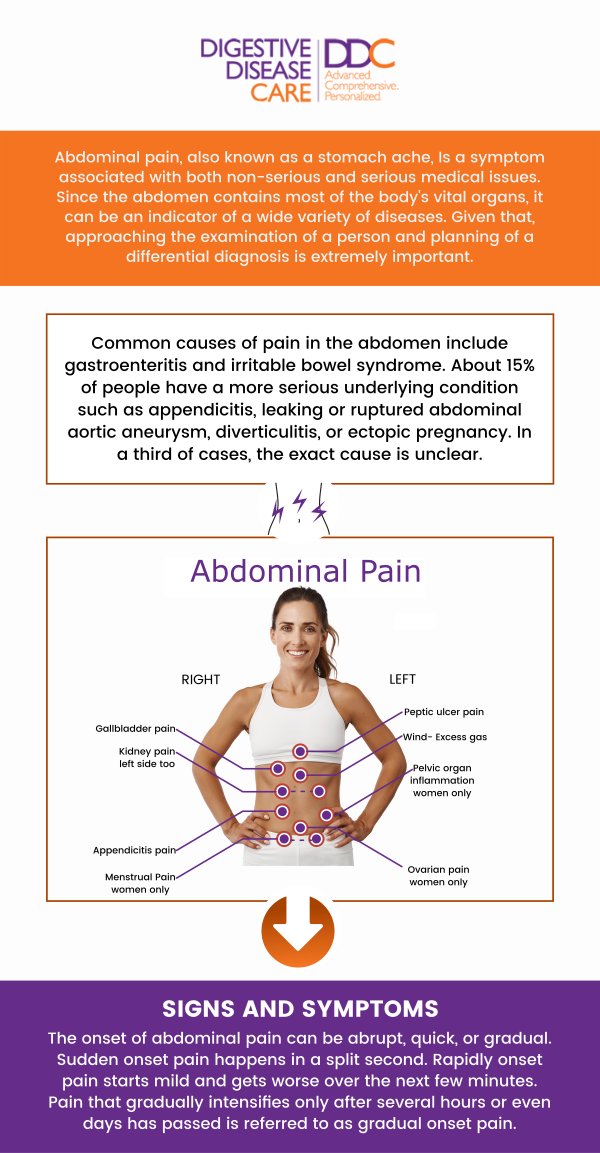
Table of Contents:
How can I relieve upper stomach pain immediately from gas or bloating?
When should I see a doctor for upper stomach pain?
Can acid reflux cause upper stomach pain?
Can upper stomach pain be a sign of gallbladder issues?
Suffering from Upper Stomach Pain? Dr. Preeti Mehta at Digestive Disease Care Can Help You Find Relief in New Hyde Park, NY
Upper stomach pain caused by gas or bloating can be uncomfortable and sudden. Fortunately, there are several strategies to relieve discomfort quickly and help the digestive system settle. These methods focus on reducing trapped gas, soothing the stomach, and easing pressure in the upper abdomen.
• Move around gently:
Light walking or stretching can help stimulate digestion and encourage trapped gas to move through the intestines, which may relieve pressure and pain.
• Use a warm compress:
Applying a heating pad or warm water bottle to the upper abdomen can relax stomach muscles and improve circulation, which helps reduce cramping and discomfort.
• Massage the abdomen:
Gentle circular motions over the upper stomach may help move gas and promote digestion, providing temporary relief from bloating-related pain.
• Drink warm liquids:
Sipping warm water, herbal tea, or other gentle beverages can stimulate digestion and help move gas along the digestive tract.
• Avoid carbonated beverages and gas-producing foods:
Soda, beer, beans, and certain cruciferous vegetables can increase bloating. Limiting these can prevent further discomfort.
• Over-the-counter remedies:
Simethicone or antacids may provide short-term relief from gas and bloating. These products help break down gas bubbles or reduce stomach acid.
• Practice mindful eating:
Eating slowly, chewing food thoroughly, and avoiding swallowing air can reduce the likelihood of gas buildup.
While these strategies can help relieve mild or occasional upper stomach discomfort, persistent or severe pain should not be ignored. Dr. Preeti Mehta at Digestive Disease Care in New Hyde Park, NY and her team of board-certified gastroenterologists can evaluate ongoing digestive issues to ensure relief and address any underlying causes.
Upper stomach pain can range from mild discomfort to a sign of a more serious condition. Knowing when to seek medical attention is essential to prevent complications and address potential digestive or liver issues promptly.
• Severe or persistent pain:
Pain that is intense, does not improve with rest, or lasts more than a few hours may require immediate evaluation.
• Associated symptoms:
Seek care if pain comes with nausea, vomiting, fever, jaundice, or unexplained weight loss, as these may indicate a more serious condition.
• Pain after meals:
Discomfort that regularly occurs after eating could suggest digestive issues, gallbladder problems, or acid reflux and warrants a professional assessment.
• Recurring episodes:
Repeated upper stomach pain over days or weeks should be evaluated, even if each episode is mild.
• Changes in bowel habits:
Diarrhea, constipation, or changes in stool color combined with stomach pain can signal digestive concerns that need attention.
• History of digestive or liver disease:
Individuals with a history of ulcers, gastritis, or liver issues should be especially cautious and consult a gastroenterologist if upper abdominal pain arises.
Dr. Preeti Mehta at Digestive Disease Care in New Hyde Park, NY, helps patients determine the cause of upper stomach pain. Her team of board-certified gastroenterologists provides thorough evaluation, diagnosis, and treatment plans tailored to each patient’s symptoms.
Yes, acid reflux can cause upper stomach pain along with other symptoms. Acid reflux occurs when stomach acid flows backward into the esophagus, irritating the lining and sometimes reaching the upper abdominal area.
• Burning sensation:
Many patients describe a burning discomfort or pressure in the upper stomach or lower chest area.
• Pain after meals:
Acid reflux pain often worsens after eating, especially following large, fatty, or spicy meals.
• Nausea or bloating:
Reflux can be accompanied by mild nausea, gas, or bloating, intensifying the upper stomach discomfort.
• Belching or regurgitation:
Acid moving upward may cause belching or a sour taste, sometimes worsening abdominal pressure.
• Nighttime symptoms:
Lying down after eating can exacerbate reflux-related upper stomach pain.
While occasional reflux may not be serious, persistent symptoms can lead to esophageal irritation or ulcers. Dr. Preeti Mehta at Digestive Disease Care in New Hyde Park, NY and her team of board-certified gastroenterologists help identify reflux patterns, recommend lifestyle modifications, and determine if further testing or treatment is needed.
Yes, gallbladder problems such as gallstones or inflammation can cause upper stomach pain. Pain is usually located in the right upper abdomen and may radiate to the back or shoulder blade.
• Sharp or cramping pain:
Gallbladder pain can be sudden and intense, often triggered after eating fatty or greasy meals.
• Nausea or vomiting:
Many patients experience digestive upset alongside the pain.
• Bloating and fullness:
Discomfort may be accompanied by a sensation of heaviness in the upper right abdomen.
• Pain after meals:
Upper abdominal pain typically worsens within an hour of eating, especially after large or fatty foods.
• Fever or jaundice:
In more serious cases, gallbladder inflammation or blockage may cause fever, yellowing of the skin or eyes, or dark urine.
Dr. Preeti Mehta at Digestive Disease Care in New Hyde Park, NY and her team of board-certified gastroenterologists can evaluate gallbladder function, order imaging studies, and recommend treatment plans tailored to each patient’s condition.
Upper stomach pain can stem from a variety of causes, including gas, bloating, acid reflux, or gallbladder issues. Understanding the source of the pain is key to effective relief.
• Evaluation of symptoms:
A thorough review of your pain, digestive patterns, and lifestyle factors helps identify the cause.
• Diagnostic testing:
Blood work, imaging, or endoscopy may be used to determine the underlying condition.
• Treatment options:
Depending on the cause, treatment can include dietary adjustments, medications, or procedural interventions.
• Personalized care:
Each patient receives a care plan tailored to their specific symptoms and medical history.
Dr. Preeti Mehta and her team of board-certified gastroenterologists at Digestive Disease Care in New Hyde Park, NY provide compassionate, patient-focused care for those experiencing upper stomach pain. Early evaluation ensures proper treatment and helps patients find relief safely and effectively. For more information, contact us today or schedule an appointment online. We are conveniently located at 1575 Hillside Ave, New Hyde Park, NY 11040. We serve patients from New Hyde Park, NY, Queens NY, Westbury NY, Roslyn NY,Uniondale NY, and East Meadow NY.

Check Out Our 5 Star Reviews


Additional Services You May Like

Additional Services You May Like
- Abdominal Pain
- Acid Reflux
- Barretts Esophagus
- Bloating
- Capsule Endoscopy
- Celiac Disease
- Colon Cancer Screening
- Colonoscopy
- Constipation
- Crohns Disease
- Diarrhea
- Diverticulitis
- Esophageal PH Monitoring
- Fatty Liver
- Fibroscan
- Gallstones
- Gastroenterologist
- Gastric Chest Pain
- Gluten Intolerance
- Hemorrhoid
- Hemorrhoid Banding
- Hepatitis
- Irritable Bowel Syndrome
- Lactose Intolerance
- Pancreatitis
- Polyps
- Rectal Bleeding
- Stomach
- Ulcerative Colitis
- GI Urgent Care


 Send Text
 How May I Help You?