

Stomach Ulcer Treatment in Forest Hills, NY
Stomach ulcer symptoms can include burning stomach pain, nausea, bloating, indigestion, or discomfort after eating. At Digestive Disease Care, board-certified gastroenterologists evaluate symptoms and help identify the cause of stomach ulcers through personalized digestive care and testing when needed. Treatment may include medical guidance, lifestyle recommendations, and follow-up support to help promote healing and prevent complications. Patients can schedule a visit for trusted stomach ulcer evaluation and comprehensive digestive health care. For more information, contact us today or book an appointment online. We are conveniently located at 107-40 Queens Blvd Ground Floor Forest Hills, NY 11375.
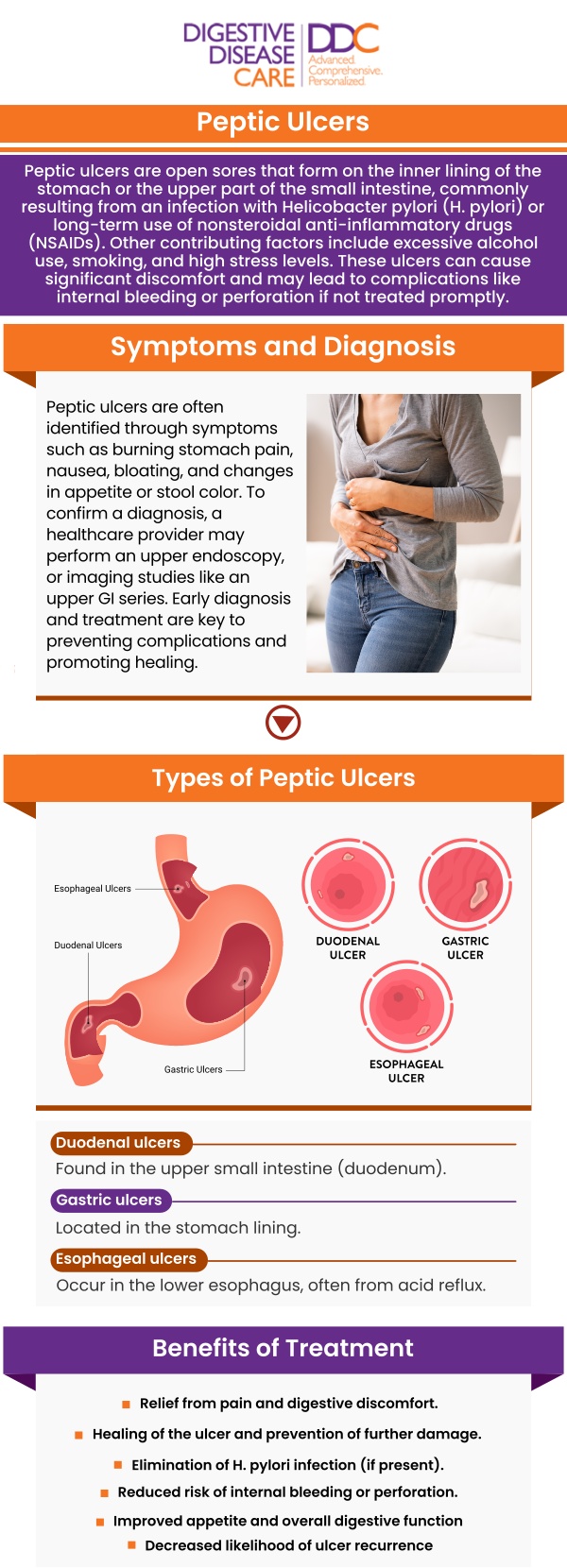
Table of Contents:
What are the common symptoms of a stomach ulcer?
When should I seek stomach ulcer treatment in Forest Hills, NY?
How are stomach ulcers diagnosed by a digestive specialist?
What treatment options are available for stomach ulcers?
What can happen if a stomach ulcer is left untreated?
How can patients support healing during stomach ulcer treatment?
Comprehensive Stomach Ulcer Treatment by Board-Certified Gastroenterologists at Digestive Disease Care in Forest Hills, NY
Stomach ulcers are open sores that develop in the lining of the stomach and can cause burning pain, nausea, bloating, indigestion, or discomfort after eating. At Digestive Disease Care in Forest Hills, NY, board-certified gastroenterologists provide comprehensive evaluation and treatment for patients with suspected stomach ulcers, helping identify the cause and guide safe, effective care.
• A stomach ulcer may cause a burning, gnawing, or aching pain in the upper abdomen. Some patients feel discomfort between meals, at night, or after eating certain foods.
• Indigestion, bloating, burping, nausea, and early fullness after meals may also occur. These symptoms can sometimes feel similar to acid reflux or general stomach irritation.
• Some patients may notice reduced appetite, unintentional weight changes, or discomfort that comes and goes over time. Symptoms may worsen when the stomach lining becomes more irritated.
• Warning signs may include vomiting blood, black or tar-like stools, severe abdominal pain, dizziness, weakness, or ongoing vomiting. These symptoms need urgent medical attention.
• You should seek stomach ulcer treatment in Forest Hills, NY if you have ongoing upper abdominal pain, burning stomach discomfort, nausea, bloating, or indigestion that does not improve. Persistent symptoms should be evaluated instead of ignored.
• Medical care is especially important if symptoms keep returning or interfere with eating, sleeping, work, or daily activities. A digestive specialist can determine whether an ulcer, reflux, gastritis, or another GI condition may be causing the discomfort.
• You should schedule an appointment if you have stomach pain with appetite changes, unexplained weight loss, frequent nausea, or a history of ulcer problems. Early evaluation may help prevent symptoms from worsening.
• Seek immediate care if you experience black stools, vomiting blood, fainting, severe abdominal pain, chest-like discomfort, or signs of dehydration. These may indicate ulcer bleeding or another serious digestive concern.
• Diagnosis usually begins with a detailed review of symptoms, medical history, medication use, diet, and risk factors. The gastroenterologist may ask when pain occurs, what makes it better or worse, and whether bleeding symptoms are present.
• A physical examination may be performed to check for abdominal tenderness, bloating, or signs of digestive distress. The provider may also review past test results, prior ulcers, family history, and any related digestive conditions.
• Testing may be recommended to identify the cause of ulcer symptoms. This may include lab testing, stool testing, breath testing, imaging, or upper endoscopy when clinically appropriate.
• Upper endoscopy allows a digestive specialist to view the stomach lining directly and check for ulcers, inflammation, bleeding, or other abnormalities. Tissue samples may be taken if needed to help guide diagnosis and treatment.
• Treatment depends on the cause, severity, and whether the ulcer is linked to infection, irritation, medication use, acid exposure, or another digestive issue. The goal is to heal the ulcer, relieve symptoms, and prevent recurrence.
• A gastroenterologist may recommend provider-directed medications to reduce stomach acid, protect the stomach lining, or treat an underlying infection when present. The exact plan depends on test results and medical history.
• Patients may also be advised to avoid irritants that can worsen ulcer symptoms. These may include certain pain relievers, alcohol, smoking, spicy foods, acidic foods, or other personal triggers identified during care.
• Follow-up care may be recommended to make sure symptoms improve and the ulcer is healing properly. If symptoms continue, additional testing or treatment adjustments may be needed.
• An untreated stomach ulcer may continue to irritate the stomach lining and cause worsening pain, nausea, and digestive discomfort. Symptoms may become more frequent or harder to manage over time.
• In some cases, ulcers can bleed, which may cause black stools, vomiting blood, weakness, dizziness, or anemia. Bleeding ulcers require prompt medical evaluation.
• A severe ulcer may lead to complications such as narrowing, blockage, or a deeper injury in the stomach lining. These complications are less common but can be serious.
• Early treatment from a board-certified gastroenterologist can help reduce these risks and support safer healing. Patients should not wait if symptoms are persistent, severe, or associated with warning signs.
• Patients can support healing by following their gastroenterologist’s care plan and completing any recommended testing or follow-up visits. Consistent care helps confirm the cause and track improvement.
• Eating smaller, gentler meals may help reduce discomfort for some patients. It can also be helpful to avoid foods or drinks that repeatedly trigger burning, nausea, or bloating.
• Patients should discuss all medications, supplements, and over-the-counter products with their provider. Some products may irritate the stomach lining or increase ulcer risk.
• Healthy lifestyle habits such as avoiding smoking, limiting alcohol, managing stress, and maintaining regular meals may help support digestive recovery and reduce future flare-ups.
Digestive Disease Care in Forest Hills, NY provides comprehensive stomach ulcer treatment for patients experiencing abdominal pain, burning discomfort, nausea, bloating, indigestion, or possible ulcer-related symptoms.
Our board-certified gastroenterologists focus on identifying the cause of symptoms through careful evaluation, diagnostic testing when needed, and personalized treatment planning.
Care may include symptom review, stomach lining evaluation, infection testing, treatment guidance, lifestyle recommendations, and follow-up support to help reduce recurrence.
Patients in Forest Hills, NY can schedule a visit with Digestive Disease Care for trusted stomach ulcer evaluation and compassionate digestive health support. For more information, contact us today or book an appointment online. We are conveniently located at 107-40 Queens Blvd Ground Floor Forest Hills, NY 11375. We serve patients from Forest Hills NY, Queens NY, Brooklyn NY, Elmont NY, Floral Park NY, New Hyde NY, and surrounding areas.

Check Out Our 5 Star Reviews


Additional Services You May Like

Additional Services You May Like
- Abdominal Pain
- Acid Reflux
- Barretts Esophagus
- Bloating
- Capsule Endoscopy
- Celiac Disease
- Colon Cancer Screening
- Colonoscopy
- Constipation
- Crohns Disease
- Diarrhea
- Diverticulitis
- Esophageal PH Monitoring
- Fatty Liver
- Fibroscan
- Gallstones
- Gastroenterologist
- Gastric Chest Pain
- Gluten Intolerance
- Hemorrhoid
- Hemorrhoid Banding
- Hepatitis
- Irritable Bowel Syndrome
- Lactose Intolerance
- Pancreatitis
- Polyps
- Rectal Bleeding
- Stomach
- Ulcerative Colitis
- GI Urgent Care


 Send Text
 How May I Help You?