

Celiac Disease Symptoms and When to Seek Gastroenterology Care
Celiac disease symptoms can affect the digestive system as well as overall health, with signs such as bloating, diarrhea, constipation, abdominal discomfort, fatigue, and unexplained nutrient deficiencies. Symptoms may vary from person to person and can sometimes be mild or intermittent. Persistent digestive concerns, unexplained anemia, or ongoing fatigue may warrant further evaluation. Board-certified gastroenterologists at Digestive Disease Care (DDC) in New Hyde Park, NY can assess symptoms and determine whether celiac disease testing may be appropriate. For more information, contact us today or schedule an appointment online. We are conveniently located at 1575 Hillside Ave, New Hyde Park, NY 11040.
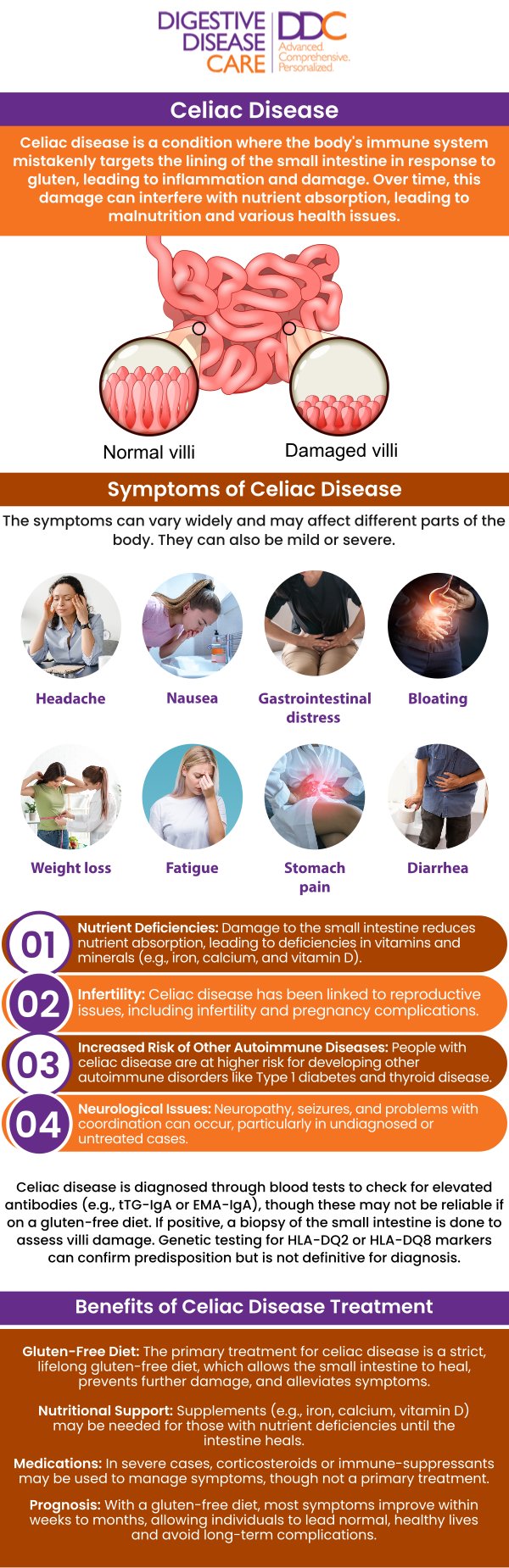
Table of Contents:
What are the early signs that may indicate celiac disease?
How do doctors test for and diagnose celiac disease?
When should digestive symptoms lead to a celiac disease evaluation?
How can untreated celiac disease affect overall health?
Recognizing Celiac Disease Symptoms With Proper Evaluation From Board-Certified Gastroenterologists at Digestive Disease Care (DDC) in New Hyde Park, NY
Celiac disease is an immune-mediated digestive condition in which consuming gluten triggers a reaction that can damage the lining of the small intestine. Symptoms vary considerably from person to person, making the condition difficult to recognize based on digestive discomfort alone. Some individuals experience noticeable gastrointestinal symptoms, while others develop fatigue, nutritional deficiencies, or other concerns outside the digestive system.
Recognizing possible celiac disease symptoms and seeking an appropriate evaluation can help determine whether testing is needed. Because several digestive conditions can cause similar symptoms, evaluation by a gastroenterologist is important for establishing an accurate diagnosis and determining appropriate long-term care.
Early celiac disease symptoms can be mild, intermittent, or easily confused with other digestive concerns. Symptoms develop because the immune reaction to gluten can damage structures in the small intestine that normally absorb nutrients from food.
Common digestive symptoms may include:
• Abdominal bloating: The abdomen may feel swollen, tight, or uncomfortable after meals.
• Recurring abdominal pain: Cramping or generalized discomfort may occur regularly.
• Diarrhea: Loose or frequent bowel movements can develop in some individuals.
• Constipation: Celiac disease does not always cause diarrhea; some people experience difficulty passing stools instead.
• Gas: Excessive intestinal gas may accompany bloating and abdominal discomfort.
• Nausea or vomiting: Some individuals may experience nausea after eating.
• Changes in stool appearance: Stools may occasionally become bulky, greasy, or unusually pale because of impaired nutrient absorption.
• Celiac disease can also cause symptoms that are not primarily digestive. These may include ongoing fatigue, unexplained weight changes, iron-deficiency anemia, headaches, mouth sores, reduced bone strength, or numbness and tingling in the hands or feet.
Because symptoms vary widely, their presence does not automatically mean someone has celiac disease. A medical evaluation is necessary to distinguish celiac disease from food intolerances, inflammatory conditions, functional digestive disorders, and other gastrointestinal concerns.
Diagnosing celiac disease generally involves more than reviewing symptoms alone. Many digestive conditions produce similar complaints, so gastroenterologists use medical history and appropriate testing to determine whether celiac disease may be present.
The evaluation commonly begins with a discussion of:
• Current digestive symptoms
• How long symptoms have been occurring
• Foods associated with discomfort
• Personal medical history
• Family history of celiac disease
• Previous nutritional deficiencies
• Unexplained anemia or weight changes
• Other autoimmune conditions
Blood tests may be used to look for certain antibodies associated with the immune response seen in celiac disease. Accurate testing usually requires that the individual still be consuming gluten before and during the diagnostic process. Starting a strict gluten-free diet before testing may affect results and make diagnosis more difficult.
If blood testing suggests celiac disease, an upper endoscopy may be recommended. During this procedure, a gastroenterologist can examine the upper digestive tract and obtain small tissue samples from the small intestine. These samples may be evaluated for characteristic changes associated with celiac disease.
Diagnosis should be established before making major long-term dietary changes whenever possible. A confirmed diagnosis provides clearer guidance for ongoing monitoring, nutrition, and management.
Temporary bloating, gas, or changes in bowel habits do not necessarily indicate celiac disease. However, symptoms that repeatedly occur, last for an extended period, or interfere with everyday life may warrant a gastroenterology evaluation.
Consider discussing celiac disease testing when symptoms include:
• Persistent or recurring diarrhea
• Chronic constipation without a clear explanation
• Frequent abdominal bloating or discomfort
• Recurrent nausea
• Unexplained iron-deficiency anemia
• Unintentional weight loss
• Ongoing fatigue
• Difficulty maintaining adequate nutrient levels
• Digestive symptoms that consistently occur after eating foods containing gluten
Family history can also be important. People with a close relative who has celiac disease may have an increased likelihood of developing the condition and may benefit from discussing screening with a healthcare professional even when symptoms are subtle.
A gastroenterology consultation may also be appropriate when digestive symptoms continue despite basic dietary or lifestyle changes. Instead of eliminating multiple foods without knowing the cause, proper testing can help determine whether symptoms are related to celiac disease or another gastrointestinal condition.
Celiac disease primarily affects the small intestine, but its effects can extend beyond digestive symptoms. When the intestinal lining remains damaged, the body may have difficulty absorbing important nutrients from food.
Possible health concerns related to untreated celiac disease can include:
Nutritional Deficiencies
Poor absorption may result in deficiencies involving iron, folate, vitamin B12, vitamin D, calcium, and other essential nutrients. These deficiencies can contribute to fatigue, weakness, or other health concerns.
Anemia
Iron-deficiency anemia can sometimes be one of the first indications of celiac disease, particularly when there is no obvious source of blood loss or another explanation.
Bone Health Changes
Reduced absorption of calcium and vitamin D may affect bone density over time, potentially contributing to weaker bones and an increased risk of fractures.
Neurological Symptoms
Some individuals may experience headaches, numbness, tingling sensations, balance changes, or difficulty concentrating. These symptoms can occur even when digestive complaints are mild.
Ongoing Digestive and Nutritional Concerns
Without appropriate management, continued exposure to gluten may contribute to persistent intestinal inflammation, recurring digestive symptoms, and difficulty maintaining adequate nutrition.
Identifying and managing celiac disease can help reduce continued intestinal damage and support better nutrient absorption. Because long-term management usually requires consistent dietary changes, obtaining a reliable diagnosis is an important first step.
Celiac disease can present differently in every patient, which is why ongoing digestive symptoms should be evaluated based on the complete clinical picture. Persistent bloating, diarrhea, constipation, abdominal discomfort, unexplained anemia, fatigue, or nutritional concerns may warrant further investigation, particularly when symptoms continue without a clear explanation.
At Digestive Disease Care (DDC) in New Hyde Park, NY, our board-certified gastroenterologists evaluate patients with possible celiac disease symptoms by reviewing their medical history, digestive concerns, risk factors, and testing needs. Our team can determine whether blood testing, endoscopic evaluation, or additional digestive testing may be appropriate and provide personalized guidance based on the results. For more information, contact us today or schedule an appointment online. We are conveniently located at 1575 Hillside Ave, New Hyde Park, NY 11040. We serve patients from New Hyde Park NY, Queens NY, Westbury NY, Roslyn NY, Uniondale NY, East Meadow NY and the surrounding area.

Check Out Our 5 Star Reviews


Additional Services You May Like

Additional Services You May Like
- Abdominal Pain
- Acid Reflux
- Barretts Esophagus
- Bloating
- Capsule Endoscopy
- Celiac Disease
- Colon Cancer Screening
- Colonoscopy
- Constipation
- Crohns Disease
- Diarrhea
- Diverticulitis
- Esophageal PH Monitoring
- Fatty Liver
- Fibroscan
- Gallstones
- Gastroenterologist
- Gastric Chest Pain
- Gluten Intolerance
- Hemorrhoid
- Hemorrhoid Banding
- Hepatitis
- Irritable Bowel Syndrome
- Lactose Intolerance
- Pancreatitis
- Polyps
- Rectal Bleeding
- Stomach
- Ulcerative Colitis
- GI Urgent Care


 Send Text
 How May I Help You?