

What Is Epigastric Pain?
Epigastric pain is discomfort or pain located in the upper abdomen, just below the ribs. It can be caused by several conditions, including acid reflux, gastritis, ulcers, or pancreatitis. Symptoms may include burning, bloating, nausea, or fullness after eating. If you experience ongoing or severe epigastric pain, it’s important to consult our board-certified gastroenterologists at Digestive Disease Care (DDC) for a thorough evaluation and appropriate treatment. For more information, contact us today or schedule an appointment online. We are conveniently located at 373 W Main St, Babylon, NY 11702.
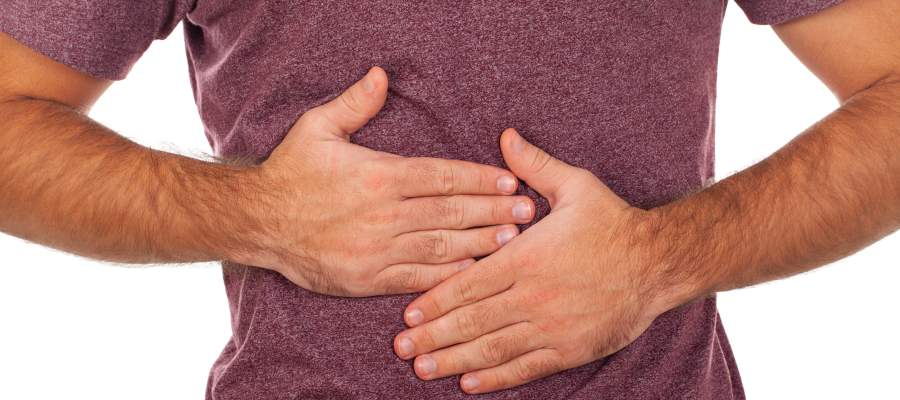

Table of Contents:
What are the most common causes of epigastric pain?
Can epigastric pain be related to heartburn or acid reflux?
When should I see a doctor for epigastric pain?
What are the risks of untreated chronic epigastric pain?
Get Relief from Epigastric Pain with Board-Certified Gastroenterologists at Digestive Disease Care (DDC) in Babylon, NY
Epigastric pain refers to discomfort or pain that occurs in the upper abdomen, just below the ribs. This type of pain can result from various underlying conditions, and its cause often depends on associated symptoms, medical history, and lifestyle factors. Identifying the cause of epigastric pain is crucial for determining the most effective treatment.
Common Causes of Epigastric Pain:
Gastroesophageal Reflux Disease (GERD): One of the most common causes of epigastric pain is acid reflux, where stomach acid flows back into the esophagus. GERD often causes a burning sensation, or heartburn, in the chest or upper abdomen.
Peptic Ulcers: Sores that develop on the inner lining of the stomach or the upper part of the small intestine can lead to epigastric pain. The pain is often described as a burning or gnawing sensation.
Gastritis: Inflammation of the stomach lining, often caused by infection (such as Helicobacter pylori) or excessive alcohol consumption, can cause epigastric discomfort.
Indigestion (Dyspepsia): Dyspepsia is a general term for discomfort in the upper abdomen, often associated with bloating, belching, or a feeling of fullness.
Gallbladder Disease: Gallstones or inflammation of the gallbladder (cholecystitis) can lead to sharp or cramp-like pain in the upper abdomen, which may radiate to the back or right shoulder.
Pancreatitis: Inflammation of the pancreas can cause severe epigastric pain, often accompanied by nausea, vomiting, and fever.
Hiatal Hernia: When part of the stomach pushes through the diaphragm, it can cause pain in the epigastric region, often aggravated by eating or lying down.
Less Common Causes:
Heart Attack: Although chest pain is typically associated with heart problems, epigastric pain can sometimes be a symptom of a heart attack, especially in women.
Liver Disease: Hepatitis or liver cirrhosis can also cause upper abdominal discomfort, though these conditions are typically accompanied by additional symptoms such as jaundice (yellowing of the skin or eyes).
If epigastric pain is persistent, severe, or accompanied by other symptoms, seeking medical evaluation is important for proper diagnosis and treatment.
Yes, epigastric pain can be directly related to heartburn or acid reflux. Heartburn is one of the most common symptoms of gastroesophageal reflux disease (GERD), and it typically causes a burning sensation in the chest or upper abdomen, often behind the breastbone. In fact, acid reflux is one of the primary causes of epigastric pain.
How Heartburn and Acid Reflux Cause Epigastric Pain:
• Acid Irritation: When stomach acid backs up into the esophagus, it irritates the lining, causing a burning sensation that can radiate to the epigastric region.
• Stomach Pressure: Increased stomach pressure due to overeating or certain foods can exacerbate acid reflux, leading to epigastric pain.
• Lower Esophageal Sphincter Dysfunction: The lower esophageal sphincter (LES) is a muscle that normally prevents stomach acid from flowing back into the esophagus. If the LES is weakened or relaxes improperly, acid can reflux into the esophagus, causing discomfort and epigastric pain.
• Postprandial Pain: After meals, when the stomach is full, acid reflux tends to worsen, often resulting in pain in the epigastric area.
When Acid Reflux and Epigastric Pain Are Linked:
• Heartburn: The sensation of a burning pain in the chest or upper abdomen after eating or when lying down is a classic symptom of GERD and is often accompanied by epigastric pain.
• Regurgitation: A sour or bitter taste in the mouth, caused by stomach acid entering the mouth, is another sign that acid reflux is contributing to epigastric discomfort.
• Bloating: Feeling of fullness, bloating, or excessive burping may occur, especially after meals, due to acid reflux.
If you frequently experience heartburn or epigastric pain after eating, it is crucial to manage the condition with lifestyle changes or medication to prevent damage to the esophagus and alleviate discomfort.
While occasional epigastric pain may be caused by indigestion or mild acid reflux, persistent or severe pain may indicate a more serious condition that requires medical attention. Knowing when to seek help can help prevent complications and ensure timely treatment.
When to Seek Medical Help for Epigastric Pain:
• Severe Pain: If the pain is sudden, intense, or sharp, especially if it doesn’t improve with over-the-counter antacids, seek medical help immediately.
• Pain That Radiates: If epigastric pain radiates to the chest, back, or shoulder, it could be a sign of a heart attack, gallbladder problem, or other serious condition.
• Accompanying Symptoms: If epigastric pain is accompanied by symptoms such as nausea, vomiting, difficulty swallowing, unintentional weight loss, or fever, it’s important to seek medical care as soon as possible.
• Chronic or Frequent Pain: If you experience epigastric pain regularly, it may be a sign of a chronic condition such as GERD, peptic ulcers, or pancreatitis that requires ongoing treatment and management.
• Blood in Vomit or Stool: If you notice blood in your vomit or stool, this is a serious sign and warrants immediate medical attention, as it could indicate gastrointestinal bleeding or a severe ulcer.
If you’re unsure whether your symptoms require medical care, it’s always best to consult a healthcare provider to rule out serious conditions and get a proper diagnosis.
Chronic epigastric pain that goes untreated can lead to a variety of risks and complications, depending on the underlying cause. It is important to seek medical attention to prevent long-term damage and improve overall health.
Risks of Untreated Chronic Epigastric Pain:
• Esophageal Damage: In conditions like GERD, untreated acid reflux can lead to long-term damage to the esophagus, including ulcers, bleeding, and a condition called Barrett’s esophagus, which can increase the risk of esophageal cancer.
• Peptic Ulcers: If peptic ulcers, which are often the cause of epigastric pain, are left untreated, they can lead to complications such as bleeding, perforation (a hole in the stomach or intestine), or obstruction of the digestive tract.
• Pancreatitis: Chronic epigastric pain caused by pancreatitis can lead to long-term damage to the pancreas, affecting its ability to produce essential enzymes and insulin, which could result in diabetes and digestive problems.
• Gallbladder Disease: Untreated gallstones or inflammation of the gallbladder can cause ongoing pain and potentially lead to infection or the need for gallbladder removal.
• Increased Risk of Malnutrition: Chronic pain and discomfort can interfere with digestion and nutrient absorption, leading to malnutrition and weight loss.
If you experience chronic epigastric pain, it is important to seek medical care for proper diagnosis and treatment. This helps prevent complications and promotes better digestive health.
If you’re experiencing epigastric pain, it’s essential to seek expert care to get relief and prevent further complications. At Digestive Disease Care (DDC) in Babylon, NY, our team of board-certified gastroenterologists specializes in diagnosing and treating the root causes of epigastric pain, including conditions like acid reflux, ulcers, gastritis, and pancreatitis. We offer comprehensive evaluations and personalized treatment plans to alleviate pain and improve your digestive health, helping you return to a better quality of life.
Our experienced gastroenterologists at DDC are committed to providing the best care for patients suffering from epigastric discomfort. We use advanced diagnostic tools, such as endoscopy and imaging, to identify the cause of your pain and tailor a treatment plan specifically for your needs. Whether it’s through medications, dietary changes, or lifestyle modifications, our goal is to provide lasting relief. For more information, contact us today or schedule an appointment online. We are conveniently located at 373 W Main St, Babylon, NY 11702. We serve patients from Babylon NY, Massapequa NY, Melville NY, Brentwood NY, Bay Shore NY, Farmingdale NY, and surrounding areas.

Check Out Our 5 Star Reviews


Additional Services You May Like

Additional Services You May Like
- Abdominal Pain
- Acid Reflux
- Barretts Esophagus
- Bloating
- Capsule Endoscopy
- Celiac Disease
- Colon Cancer Screening
- Colonoscopy
- Constipation
- Crohns Disease
- Diarrhea
- Diverticulitis
- Esophageal PH Monitoring
- Fatty Liver
- Fibroscan
- Gallstones
- Gastroenterologist
- Gastric Chest Pain
- Gluten Intolerance
- Hemorrhoid
- Hemorrhoid Banding
- Hepatitis
- Irritable Bowel Syndrome
- Lactose Intolerance
- Pancreatitis
- Polyps
- Rectal Bleeding
- Stomach
- Ulcerative Colitis
- GI Urgent Care


 Send Text
 How May I Help You?