

How Doctors Diagnose Digestive Issues
Doctors diagnose digestive issues by reviewing symptoms, medical history, and lifestyle factors to identify potential causes. They often use tests such as blood work, stool analysis, imaging, and endoscopic procedures to confirm a diagnosis. Symptom patterns alone are usually not enough for a definitive diagnosis. Dr. Ilya Badalov at Digestive Disease Care in Massapequa, NY and his team of board-certified gastroenterologists provide thorough evaluation and personalized care to identify the root cause and guide effective treatment. For more information contact us today or schedule an appointment online. We are conveniently located at 1061 N Broadway, Massapequa, NY 11758.
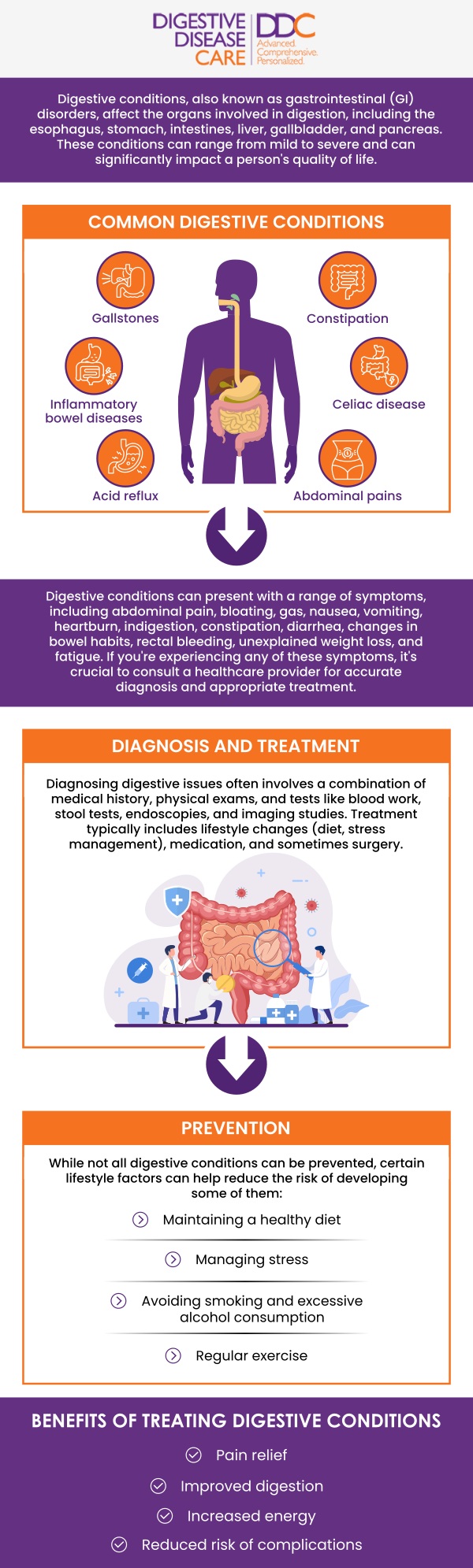
Table of Contents:
What causes digestive problems?
When should I see a doctor for digestive issues?
What tests do doctors use to diagnose digestive issues?
Can doctors diagnose digestive issues based on symptoms alone?
How long does it take to get a diagnosis for digestive issues?
Struggling with Digestive Issues? Dr. Ilya Badalov at Digestive Disease Care Can Help Diagnose the Cause in Massapequa, NY
Digestive problems can arise from a variety of factors, ranging from diet and lifestyle to infections and chronic medical conditions. Understanding the potential causes helps patients address the root issue rather than only managing symptoms.
• Dietary factors:
Consuming too much processed food, fatty meals, or certain trigger foods can irritate the digestive system and cause bloating, gas, or discomfort.
• Food intolerances:
Conditions such as lactose intolerance, gluten sensitivity, or fructose malabsorption can lead to digestive disturbances after consuming specific foods.
• Infections:
Bacterial, viral, or parasitic infections can temporarily disrupt digestion, causing nausea, diarrhea, or abdominal cramps.
• Chronic gastrointestinal conditions:
Disorders such as irritable bowel syndrome (IBS), Crohn’s disease, ulcerative colitis, or celiac disease can cause ongoing digestive issues that require medical management.
• Medication side effects:
Some prescription or over-the-counter medications can affect the digestive system, including antibiotics, NSAIDs, or certain supplements.
• Lifestyle factors:
Stress, lack of sleep, dehydration, and insufficient physical activity can impact digestion and contribute to discomfort.
• Structural or functional issues:
Problems with the stomach, intestines, gallbladder, or pancreas, including inflammation or motility issues, can cause persistent digestive problems.
Dr. Ilya Badalov at Digestive Disease Care in Massapequa, NY and his team of board-certified gastroenterologists help patients identify the causes of digestive issues through thorough evaluation. By understanding the underlying factors, patients can adopt targeted strategies to improve comfort and overall digestive health.
Not all digestive discomfort requires immediate medical attention, but certain signs indicate that professional evaluation is necessary. Prompt consultation helps identify serious conditions and prevents complications.
• Persistent or worsening symptoms:
Ongoing bloating, diarrhea, constipation, or abdominal pain that does not improve with lifestyle changes should be evaluated.
• Severe pain:
Intense abdominal pain, cramping, or sharp sensations can indicate a serious digestive disorder that needs prompt attention.
• Blood in stool or vomit:
Any presence of blood in bowel movements or vomit is a warning sign requiring immediate medical evaluation.
• Unexplained weight loss:
Sudden, unintentional weight loss alongside digestive symptoms can indicate malabsorption or a chronic condition.
• Difficulty swallowing or persistent nausea:
Trouble swallowing, repeated vomiting, or chronic nausea may signal underlying digestive tract issues.
• Family history of gastrointestinal diseases:
Individuals with a history of colon cancer, inflammatory bowel disease, or other digestive conditions should seek evaluation for recurring digestive issues.
Dr. Ilya Badalov at Digestive Disease Care in Massapequa, NY and his team of board-certified gastroenterologists help patients determine when symptoms warrant investigation. Timely evaluation allows for accurate diagnosis and effective management of digestive health.
Diagnosing digestive issues often requires a combination of medical history, physical examination, and specialized tests. These tests help identify the underlying cause and guide appropriate treatment.
• Blood tests:
Bloodwork can detect infection, inflammation, anemia, or liver and pancreatic enzyme abnormalities.
• Stool tests:
Stool analysis can identify infections, parasites, inflammation, or signs of malabsorption.
• Endoscopy:
Upper endoscopy allows doctors to examine the esophagus, stomach, and small intestine for structural abnormalities or inflammation.
• Colonoscopy:
This procedure evaluates the large intestine for polyps, inflammation, or other conditions.
• Imaging studies:
Ultrasound, CT scans, and MRI can provide detailed views of digestive organs to detect structural or functional problems.
• Breath tests:
These tests assess lactose intolerance, small intestinal bacterial overgrowth, and other digestive conditions.
• Motility tests:
Specialized studies can measure how food moves through the digestive tract and identify functional disorders.
Dr. Ilya Badalov at Digestive Disease Care in Massapequa, NY, recommends these diagnostic tools along with his expertise to pinpoint the causes of digestive discomfort. His team of board-certified gastroenterologists ensures patients receive accurate evaluations and personalized care plans.
While symptoms provide important clues, doctors generally cannot rely solely on symptoms to make a definitive diagnosis. Digestive issues often overlap, and similar symptoms can have multiple underlying causes.
• Symptom patterns guide evaluation:
Frequency, severity, and timing of symptoms help narrow down potential causes.
• Overlap of conditions:
Abdominal pain, bloating, diarrhea, and nausea can appear in IBS, food intolerances, infections, or inflammatory diseases, making further testing necessary.
• Importance of diagnostic testing:
Blood tests, imaging, endoscopy, and stool analysis are often needed to confirm or rule out specific conditions.
• Patient history:
Doctors consider diet, medication use, lifestyle factors, and family history when evaluating symptoms.
• Monitoring response to treatment:
Observing how symptoms respond to dietary changes, medications, or lifestyle adjustments can provide additional insights.
Dr. Ilya Badalov at Digestive Disease Care in Massapequa, NY and his team of board-certified gastroenterologists combine symptom assessment with testing to ensure accurate diagnosis and effective management. This approach helps prevent misdiagnosis and ensures that treatment targets the root cause.
The time to diagnose digestive issues can vary depending on the complexity of symptoms, the tests required, and the patient’s overall health. Early evaluation and structured testing can shorten the process.
• Initial consultation:
A thorough review of symptoms, medical history, and dietary patterns usually takes the first visit.
• Testing timeline:
Blood tests, stool tests, imaging studies, and endoscopic procedures may be scheduled over days to weeks.
• Follow-up appointments:
Results from tests may require additional visits to discuss findings and finalize the diagnosis.
• Complex or chronic conditions:
Diagnoses such as inflammatory bowel disease or functional gastrointestinal disorders may take longer due to overlapping symptoms.
• Patient involvement:
Keeping a detailed symptom diary and reporting changes promptly can help speed up evaluation and testing.
Dr. Ilya Badalov at Digestive Disease Care in Massapequa, NY and his team of board-certified gastroenterologists guide patients through the diagnostic process efficiently, providing clear timelines, explanations, and personalized care for faster symptom relief and effective management.
Digestive issues can affect comfort, nutrition, and overall quality of life. Early evaluation helps identify the underlying cause and guide effective treatment.
• Comprehensive evaluation:
Review of symptoms, diet, medical history, and lifestyle factors.
• Diagnostic testing:
Blood tests, stool analysis, imaging, and endoscopic procedures to pinpoint the cause.
• Personalized treatment plans:
Tailored strategies including dietary guidance, medication, and lifestyle adjustments.
• Ongoing support:
Monitoring response to treatment and making adjustments for long-term digestive health.
Dr. Ilya Badalov at Digestive Disease Care in Massapequa, NY and his team of board-certified gastroenterologists provide compassionate care to help patients identify the cause of digestive issues and achieve lasting relief. For more information contact us today or schedule an appointment online. We are conveniently located at 1061 N Broadway, Massapequa, NY 11758. We serve patients from Lindenhurst NY, Bethpage NY, Hempstead NY, Freeport NY, Farmingdale NY, and Babylon NY.

Check Out Our 5 Star Reviews


Additional Services You May Like

Additional Services You May Like
- Abdominal Pain
- Acid Reflux
- Barretts Esophagus
- Bloating
- Capsule Endoscopy
- Celiac Disease
- Colon Cancer Screening
- Colonoscopy
- Constipation
- Crohns Disease
- Diarrhea
- Diverticulitis
- Esophageal PH Monitoring
- Fatty Liver
- Fibroscan
- Gallstones
- Gastroenterologist
- Gastric Chest Pain
- Gluten Intolerance
- Hemorrhoid
- Hemorrhoid Banding
- Hepatitis
- Irritable Bowel Syndrome
- Lactose Intolerance
- Pancreatitis
- Polyps
- Rectal Bleeding
- Stomach
- Ulcerative Colitis
- GI Urgent Care


 Send Text
 How May I Help You?