

What Are the Types of Pancreatitis and Their Symptoms?
Pancreatitis refers to inflammation of the pancreas and can be classified into two main types: acute and chronic. Acute pancreatitis comes on suddenly, often causing severe abdominal pain, nausea, and vomiting. Chronic pancreatitis develops over time, leading to persistent digestive discomfort, weight loss, and potential complications like diabetes. Recognizing the symptoms early is crucial for effective treatment. Our team of board-certified gastroenterologists at Digestive Disease Care is dedicated to providing personalized care and expert management for both types of pancreatitis, ensuring optimal health outcomes for our patients. For more information, contact us today or schedule an appointment online. We have convenient locations to serve you in Babylon NY, East Setauket NY, Forest Hills NY, Jericho NY, Lake Success NY, Melville NY, Mineola NY, Massapequa NY, New Hyde Park NY, and Riverhead NY.
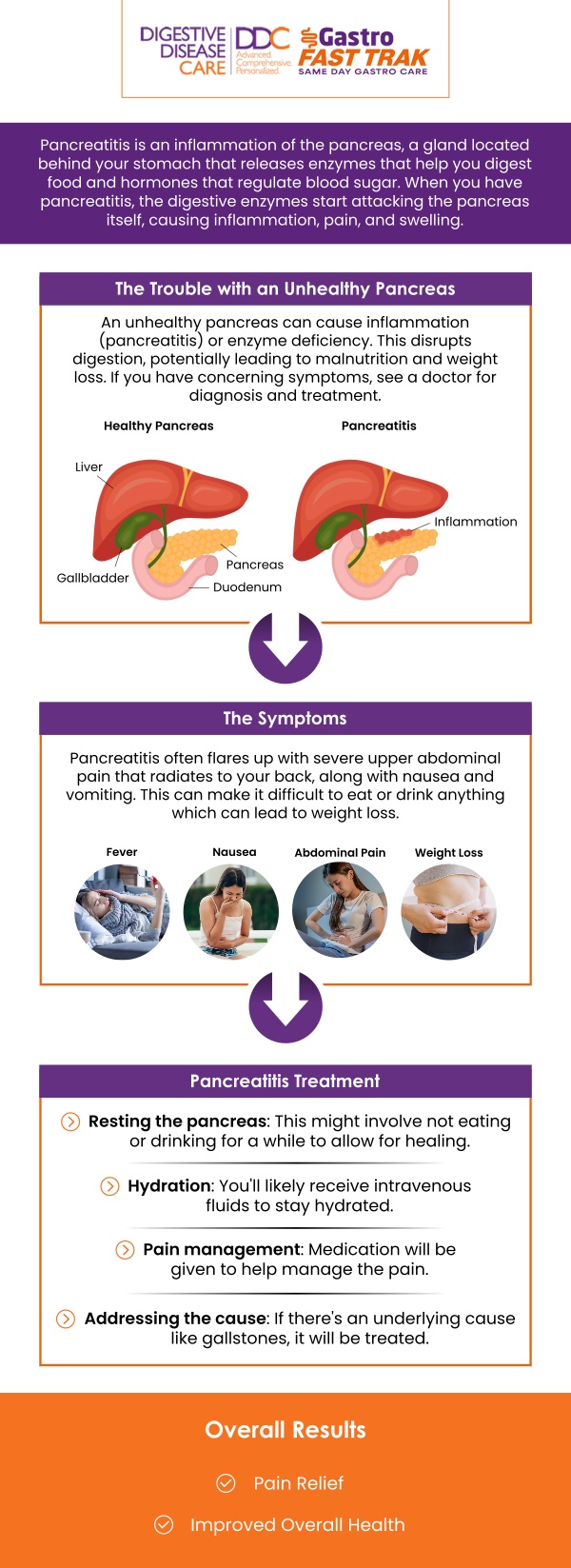
Table of Contents:
What are the different types of pancreatitis?
What are the symptoms of acute pancreatitis?
What are the symptoms of chronic pancreatitis?
What are the long-term effects of chronic pancreatitis?
Understanding the Types of Pancreatitis and Their Symptoms With Dr. Preeti Mehta, MD at Digestive Disease Care
Pancreatitis is an inflammation of the pancreas, an organ located behind the stomach that plays a critical role in digestion and blood sugar regulation. There are two primary types of pancreatitis: acute pancreatitis and chronic pancreatitis. Each type has different causes, symptoms, and treatment approaches.
Acute Pancreatitis
Acute pancreatitis is a sudden inflammation of the pancreas that can cause severe pain and can be life-threatening if left untreated. It often develops rapidly and can cause hospitalization. In many cases, acute pancreatitis improves with prompt medical treatment, though it can have serious complications if not addressed.
Common causes of acute pancreatitis include:
• Gallstones: Blockages in the bile duct can cause pancreatic enzymes to back up into the pancreas, leading to inflammation.
• Alcohol consumption: Heavy or chronic drinking can irritate the pancreas and lead to an acute episode.
• Medications: Some medications can trigger acute pancreatitis.
• High triglyceride levels or high cholesterol: Elevated fat levels in the blood can cause inflammation in the pancreas.
• Trauma or injury: An accident or surgical procedure can sometimes trigger acute pancreatitis.
Chronic Pancreatitis
Chronic pancreatitis is long-lasting inflammation of the pancreas that can lead to permanent damage and impaired pancreatic function. Unlike acute pancreatitis, which comes on suddenly, chronic pancreatitis develops gradually over time and can cause irreversible damage to the pancreas.
Common causes of chronic pancreatitis include:
• Ongoing alcohol abuse: Long-term heavy drinking is one of the leading causes of chronic pancreatitis.
• Genetic factors: Some inherited genetic mutations can predispose individuals to develop chronic pancreatitis.
• Cystic fibrosis: This genetic condition can cause thick mucus that affects pancreatic function and leads to chronic inflammation.
• Autoimmune disorders: In rare cases, the body’s immune system can attack the pancreas, leading to chronic inflammation.
Both acute and chronic pancreatitis require careful management to reduce symptoms and prevent complications, such as pancreatic cancer or diabetes. Early diagnosis and treatment are key to managing both conditions effectively.
Acute pancreatitis is a medical emergency that can cause sudden and severe symptoms. The symptoms of acute pancreatitis typically develop quickly and worsen rapidly.
Common Symptoms of Acute Pancreatitis:
• Severe upper abdominal pain: This pain is typically intense, sharp, and constant. It may radiate to the back or chest and worsen after eating.
• Nausea and vomiting: These symptoms often accompany the pain and can make it difficult to keep food or liquids down.
• Abdominal tenderness or bloating: The abdomen may become swollen or tender to the touch.
• Fever: Elevated body temperature is common and may indicate infection or inflammation.
• Rapid pulse: A fast heart rate can be a sign of severe inflammation or other complications.
• Jaundice: Yellowing of the skin and eyes can occur if the bile duct is blocked by gallstones or inflammation.
When to Seek Immediate Medical Help
If you experience any of these symptoms, it is crucial to seek emergency medical care. Acute pancreatitis can develop into a serious condition that can lead to organ failure, infection, or other life-threatening complications if not treated promptly.
Diagnosis is typically confirmed through blood tests, imaging scans like CT scans or ultrasounds, and clinical evaluation. Once diagnosed, treatment focuses on stabilizing the patient, managing pain, and addressing the underlying cause of the pancreatitis.
Chronic pancreatitis develops over time and can cause long-term damage to the pancreas. Unlike acute pancreatitis, which comes on suddenly, chronic pancreatitis is persistent and gradually worsens the function of the pancreas.
Common Symptoms of Chronic Pancreatitis:
• Persistent abdominal pain: Chronic pancreatitis often causes continuous, dull abdominal pain that may fluctuate in intensity. This pain may be felt in the upper abdomen and can radiate to the back.
• Weight loss: As the pancreas becomes damaged, it may produce fewer digestive enzymes, leading to poor absorption of nutrients and weight loss.
• Fatty stools (steatorrhea): Due to the inability to digest fats properly, individuals with chronic pancreatitis may experience stools that are large, greasy, and foul-smelling.
• Nausea and vomiting: These symptoms may occur along with abdominal pain and digestive issues.
• Diabetes symptoms: As the pancreas is damaged, it may become less effective at regulating blood sugar, leading to the development of diabetes in some individuals.
• Flatulence or excessive gas: Poor digestion can lead to bloating and excessive gas production.
When to Seek Medical Help
If you experience ongoing abdominal pain, digestive problems, or signs of malnutrition, it’s important to visit a healthcare provider for evaluation. Chronic pancreatitis is a progressive condition that can result in irreversible damage to the pancreas, making early management essential to prevent complications like pancreatic cancer or diabetes.
Chronic pancreatitis can have serious long-term effects on overall health, particularly if not managed properly. Over time, the pancreas becomes less effective at producing digestive enzymes and insulin, leading to significant complications.
Long-Term Effects of Chronic Pancreatitis:
• Pancreatic insufficiency: As the pancreas becomes damaged, it may lose its ability to produce digestive enzymes, leading to malnutrition and vitamin deficiencies. This can result in:
• Unexplained weight loss
• Poor digestion of fats, proteins, and carbohydrates
• Diabetes: Chronic pancreatitis can lead to the development of diabetes as the pancreas’ ability to produce insulin diminishes.
• Pancreatic cancer: Chronic pancreatitis is a known risk factor for pancreatic cancer. The long-term inflammation can lead to cellular changes that increase the likelihood of cancerous growths.
• Chronic pain: Ongoing pain is one of the most common long-term effects, which can significantly affect quality of life and emotional health.
• Bile duct problems: Chronic inflammation may cause blockages in the bile ducts, leading to jaundice and potential liver damage.
• Managing Long-Term Effects
Managing chronic pancreatitis often involves dietary changes, enzyme replacement therapy, and medications to control pain and inflammation.
At Digestive Disease Care in Lake Success, NY, Dr. Preeti Mehta, MD, provides expert care for both acute and chronic pancreatitis. Her approach includes thorough diagnostic testing to accurately assess the severity of pancreatitis, as well as a personalized treatment plan to manage pain and address underlying causes.
What You Can Expect at Digestive Disease Care:
Detailed symptom review: Dr. Mehta conducts a thorough review of symptoms, medical history, and risk factors to identify the underlying cause of pancreatitis.
Comprehensive diagnostic testing: The team uses advanced imaging and blood tests to accurately diagnose and assess the severity of pancreatitis.
Tailored treatment plans: Treatment for pancreatitis focuses on addressing the root cause, whether it be lifestyle changes, pain management, or nutritional support.
Ongoing monitoring and education: Patients receive continuous support and guidance to manage symptoms, prevent complications, and improve long-term health.
If you’re experiencing abdominal pain, digestive issues, or any of the symptoms associated with pancreatitis, scheduling a consultation with Dr. Preeti Mehta is an important step toward accurate diagnosis and effective treatment. At Digestive Disease Care in Lake Success, NY, you’ll receive the care and support you need to manage pancreatitis and its long-term effects. For more information, contact us today or schedule an appointment online. We have convenient locations to serve you in Babylon NY, East Setauket NY, Forest Hills NY, Jericho NY, Lake Success NY, Melville NY, Mineola NY, Massapequa NY, New Hyde Park NY, and Riverhead NY.

Check Out Our 5 Star Reviews


Additional Services You May Like

Additional Services You May Like
- Abdominal Pain
- Acid Reflux
- Barretts Esophagus
- Bloating
- Capsule Endoscopy
- Celiac Disease
- Colon Cancer Screening
- Colonoscopy
- Constipation
- Crohns Disease
- Diarrhea
- Diverticulitis
- Esophageal PH Monitoring
- Fatty Liver
- Fibroscan
- Gallstones
- Gastroenterologist
- Gastric Chest Pain
- Gluten Intolerance
- Hemorrhoid
- Hemorrhoid Banding
- Hepatitis
- Irritable Bowel Syndrome
- Lactose Intolerance
- Pancreatitis
- Polyps
- Rectal Bleeding
- Stomach
- Ulcerative Colitis
- GI Urgent Care


 Send Text
 How May I Help You?