

Why Does My Upper Stomach Hurt? Common Causes and Digestive Concerns
Upper stomach pain can develop from several digestive concerns, including indigestion, acid reflux, gastritis, ulcers, or gallbladder problems. If you often wonder, “Why does my upper stomach hurt?”, paying attention to when the discomfort occurs and what symptoms appear with it can provide helpful clues. Persistent or recurring pain may require further evaluation to identify the underlying cause. Board-certified gastroenterologists at Digestive Disease Care (DDC) in Forest Hills, NY provide personalized digestive evaluations for ongoing upper abdominal discomfort. For more information, contact us today or book an appointment online. We are conveniently located at 107-40 Queens Blvd Ground Floor Forest Hills, NY 11375.
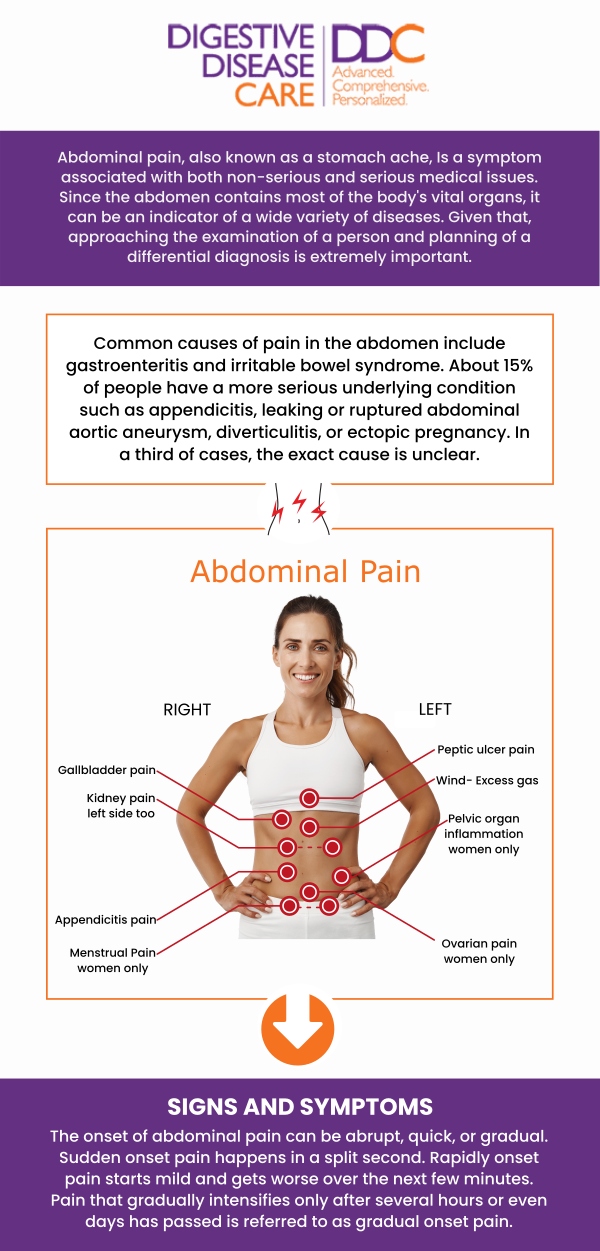
Table of Contents:
What digestive conditions can cause upper stomach pain?
How can a gastroenterologist determine the cause of upper abdominal discomfort?
When is upper stomach pain a sign of a more serious condition?
What tests may help evaluate ongoing upper stomach pain?
Finding the Cause of Upper Stomach Pain With Digestive Health Support From Board-Certified Gastroenterologists at Digestive Disease Care (DDC) in Forest Hills, NY
If you have been wondering, “Why does my upper stomach hurt?”, the discomfort may be related to several digestive conditions affecting the stomach, esophagus, gallbladder, pancreas, or nearby structures. Upper stomach pain can feel like burning, pressure, cramping, fullness, or a sharp sensation, and the pattern of symptoms may provide important clues about the underlying cause.
Occasional discomfort may follow a large meal or temporary digestive upset, but persistent, recurring, or worsening pain deserves medical attention. Understanding when the pain occurs, what makes it better or worse, and whether other symptoms are present can help a gastroenterologist determine the most appropriate next steps.
Upper stomach pain can develop for many reasons, and its location alone does not always reveal the cause. Digestive organs are positioned close together, so discomfort from one area may sometimes be felt elsewhere in the upper abdomen. Paying attention to how the pain feels and whether it is connected to meals can help narrow down possible causes.
Digestive conditions associated with upper stomach discomfort may include:
• Acid reflux: Stomach contents moving upward into the esophagus may cause burning or discomfort in the upper abdomen or chest.
• Gastritis: Irritation or inflammation of the stomach lining may produce burning, aching, nausea, or a feeling of fullness.
• Peptic ulcers: Sores in the stomach or upper small intestine may cause burning or gnawing discomfort.
• Indigestion: Upper abdominal discomfort may occur with bloating, early fullness, belching, or nausea.
• Gallbladder conditions: Gallstones or gallbladder inflammation may cause pain in the upper right or middle abdomen, sometimes after eating.
• Pancreatic conditions: Problems involving the pancreas may produce persistent upper abdominal pain that can sometimes extend toward the back.
• Gas and bloating: Trapped gas or digestive changes can create pressure and discomfort in the upper abdomen.
The timing and pattern of symptoms are important. Pain after meals, nighttime symptoms, changes in bowel habits, nausea, or unexplained weight changes may provide additional information that helps guide an evaluation.
Determining why upper stomach pain is occurring usually begins with a detailed discussion of your symptoms. A gastroenterologist may ask where the discomfort is located, when it started, how often it occurs, how long episodes last, and whether certain foods or activities make it worse.
Your evaluation may include questions about:
• The location and intensity of the pain
• Whether symptoms occur before or after meals
• Foods that appear to trigger discomfort
• Nausea, vomiting, bloating, or heartburn
• Changes in appetite or body weight
• Changes in bowel movements
• Previous digestive conditions or procedures
• Current medications and supplements
• Personal and family medical history
A physical examination may also help identify areas of tenderness, swelling, or other signs that require additional investigation.
Because upper stomach pain can have several possible causes, gastroenterologists often look at the complete symptom pattern rather than relying on one symptom alone. This individualized approach helps determine whether additional testing is appropriate and supports a more targeted care plan.
Many cases of upper stomach discomfort are associated with manageable digestive concerns, but certain symptoms should not be ignored. Pain that becomes severe, develops suddenly, repeatedly returns, or occurs along with other concerning symptoms may require prompt medical evaluation.
Seek timely medical attention for upper abdominal pain accompanied by symptoms such as:
• Severe or rapidly worsening abdominal pain
• Persistent vomiting or inability to keep fluids down
• Vomiting blood
• Black or bloody stools
• Difficulty swallowing
• Yellowing of the skin or eyes
• Unexplained weight loss
• Persistent fever
• Significant abdominal swelling
• Pain that consistently interferes with eating or sleeping
Sudden severe abdominal pain, chest pain, breathing difficulty, fainting, or other potentially life-threatening symptoms require emergency medical attention rather than waiting for a routine gastroenterology visit.
Recurring discomfort should also be evaluated even when it is not severe. Symptoms that repeatedly interfere with meals, work, sleep, or everyday activities may indicate an underlying digestive condition that needs further investigation.
Testing for upper stomach pain depends on your symptoms, medical history, physical examination, and suspected cause. Not every patient needs the same tests. A gastroenterologist can determine which evaluations may provide useful information based on your individual situation.
Possible diagnostic approaches may include:
Blood Tests
Blood testing can provide information about inflammation, anemia, infection, liver function, pancreatic health, and other factors that may contribute to abdominal symptoms.
Abdominal Imaging
Ultrasound, CT scans, or other imaging studies may be recommended when the gastroenterologist needs a closer look at organs such as the gallbladder, liver, pancreas, or surrounding abdominal structures.
Upper Endoscopy
An upper endoscopy allows a gastroenterologist to examine the lining of the esophagus, stomach, and beginning of the small intestine. It may be considered when symptoms suggest inflammation, ulcers, persistent reflux, narrowing, bleeding, or another upper digestive tract concern.
Additional Digestive Testing
Depending on the symptoms, other laboratory or diagnostic testing may be used to evaluate possible infections, digestive disorders, or conditions affecting how the gastrointestinal system functions.
Testing is selected based on the clinical picture rather than using the same approach for every patient. The goal is to identify or rule out possible causes so that care can address the underlying digestive concern instead of focusing only on temporary symptom relief.
If you frequently find yourself asking, “Why does my upper stomach hurt?”, an evaluation can help determine whether your discomfort is related to reflux, inflammation, ulcers, gallbladder concerns, indigestion, or another digestive condition. Understanding the cause is especially important when symptoms repeatedly return, become more noticeable, or interfere with eating, sleeping, or normal activities.
At Digestive Disease Care (DDC) in Forest Hills, NY, our Board-certified gastroenterologists evaluate upper stomach pain by considering each patient’s symptoms, digestive history, and individual health needs. Our team can determine whether further testing is appropriate and develop a personalized approach to addressing ongoing upper abdominal discomfort and supporting better digestive health. For more information, contact us today or book an appointment online. We are conveniently located at 107-40 Queens Blvd Ground Floor Forest Hills, NY 11375. We serve patients from Forest Hills NY, Queens NY, Brooklyn NY, Elmont NY, Floral Park NY, New Hyde NY, and surrounding areas.

Check Out Our 5 Star Reviews


Additional Services You May Like

Additional Services You May Like
- Abdominal Pain
- Acid Reflux
- Barretts Esophagus
- Bloating
- Capsule Endoscopy
- Celiac Disease
- Colon Cancer Screening
- Colonoscopy
- Constipation
- Crohns Disease
- Diarrhea
- Diverticulitis
- Esophageal PH Monitoring
- Fatty Liver
- Fibroscan
- Gallstones
- Gastroenterologist
- Gastric Chest Pain
- Gluten Intolerance
- Hemorrhoid
- Hemorrhoid Banding
- Hepatitis
- Irritable Bowel Syndrome
- Lactose Intolerance
- Pancreatitis
- Polyps
- Rectal Bleeding
- Stomach
- Ulcerative Colitis
- GI Urgent Care


 Send Text
 How May I Help You?